o
p
t
i
m
a
r
o
b
o
t
i
c
s

Make a Call


Make a Call
Blogs
2026 Best Electro Hydraulic Valve Suppliers?
Choosing among the 2026 Best Electro Hydraulic Valve Suppliers requires more than comparing catalog prices. A dependable supplier must prove performance under pressure, heat, vibration, and repeated cycling. The right valve should respond smoothly, hold position accurately, and protect the wider hydraulic circuit.
Professor John Watton, a respected fluid-power control author, offers a useful reminder: “A model is only as good as its assumptions.” That warning applies to supplier evaluations. A valve may perform well in a laboratory, yet struggle beside a steel mill furnace or inside a dusty mobile machine. Real evidence matters.
This guide examines suppliers through practical engineering criteria. These include flow capacity, pressure stability, response time, proportional control, coil durability, sealing quality, and service support. It also considers testing documentation, traceability, customization, and compatibility with modern electronic control systems. Certification alone is not enough. Application experience matters.
Look for clear technical data.
Field support matters too.
A serious supplier should explain failure modes, maintenance intervals, and installation limits. It should also provide drawings, test reports, and replacement guidance without unnecessary delay. Some rankings may appear precise, but supplier performance changes by region, application, and project scale. No ranking is perfect.
The strongest candidates combine engineering depth with consistent manufacturing. They listen to operating conditions before recommending a valve. This article will help buyers compare established manufacturers and specialized providers with greater confidence. It will also highlight practical warning signs, because the cheapest Electro-Hydraulic Valve can become the most expensive component after unstable motion, leakage, or unexpected downtime.
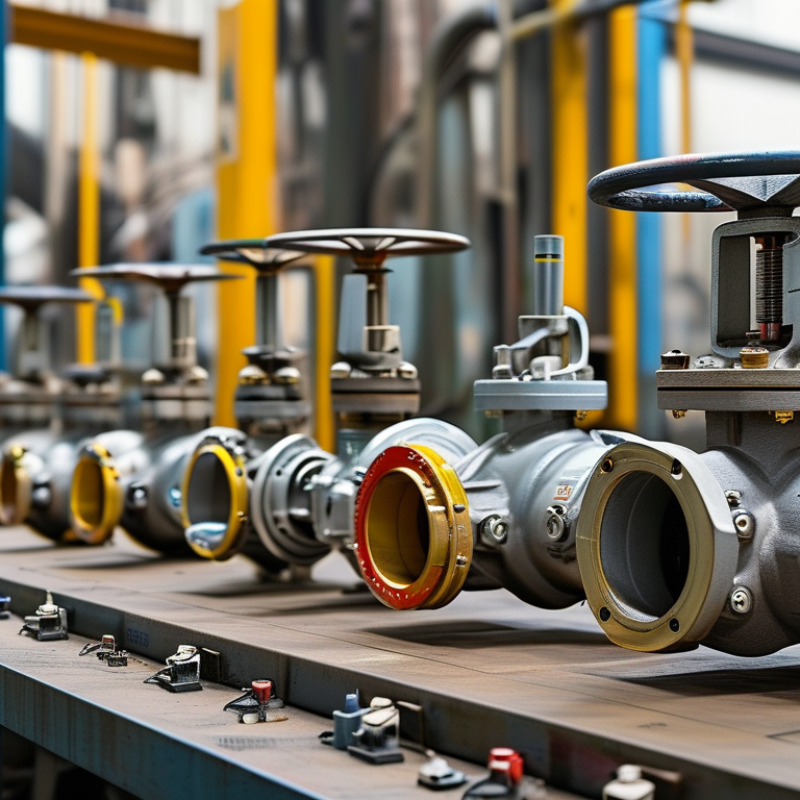
Table of Contents [Hide]
Electro-Hydraulic Valves: Definition, Functions, and Main Applications
2026 Best Electro Hydraulic Valve Suppliers?
Electro-hydraulic valves combine electrical control with hydraulic power. They direct, regulate, or stop pressurized fluid inside a hydraulic circuit. An electrical signal activates a solenoid, proportional actuator, or servo mechanism. The valve then adjusts oil flow, pressure, or actuator direction. This connection enables precise movement from compact control systems.
In field commissioning, technicians often check response time, leakage, pressure stability, and connector protection. Small errors spread. A poorly matched valve can cause vibration, heat, or slow cylinder movement. Reliable suppliers should provide clear flow curves, tested pressure ratings, material details, and traceable quality records. Practical support also matters when operating temperatures change or contamination enters the system. Datasheets help, but real machine conditions can disagree.
These valves serve mobile equipment, injection molding machines, industrial presses, lifting systems, and automated production lines. In a factory press, a proportional valve can control ram speed during forming. In construction equipment, directional valves help coordinate boom and bucket movement. Medical and laboratory machinery may require quieter, cleaner hydraulic control. Selection depends on flow demand, pressure range, response accuracy, mounting style, and maintenance access. Engineers should also verify seal compatibility with the working fluid. I have seen designs focus heavily on peak pressure while overlooking heat buildup. That choice can shorten service life. Supplier evaluation should include sample testing, application guidance, replacement support, and documented inspection procedures.
Brands
Proudly Trusted by Top Suppliers Worldwide



Let us know and we will automate, together to fit your industrial needs.
 +91-97254 16844
Clients
Proudly Trusted by Top Companies Worldwide


Do you need Help? Get in touch.
X
Please fill out the form below and we will get back to you as soon as possible.