o
p
t
i
m
a
r
o
b
o
t
i
c
s

Make a Call


Make a Call
Blogs
2026 Best LoRaWAN Tracker Battery Life for Global Buyers?
Choosing the best lorawan tracker battery for 2026 requires more than reading a claimed “ten-year” figure. Battery performance changes with transmission intervals, payload size, signal quality, temperature, and downlink frequency. A tracker reporting every five minutes behaves very differently from one reporting twice daily. Small details matter.
Industry demand is also becoming harder to ignore. IoT Analytics reported approximately 16.6 billion connected IoT devices worldwide in 2023, with continued growth expected through 2024 and beyond. The LoRa Alliance reports LoRaWAN deployments across more than 170 countries, supporting wide-area asset tracking and monitoring. These figures show strong market momentum, but they do not prove that every tracker suits every region. Coverage, roaming arrangements, certification, and local network availability still require verification.
Real-world testing will guide this comparison. We will examine battery capacity, measured current draw, reporting intervals, standby behavior, and performance under weak coverage. We will also consider replaceable batteries, solar assistance, enclosure design, and temperature resistance. The LoRaWAN specification supports different device classes, yet it does not guarantee a fixed service life. That promise belongs to the test conditions.
There is no perfect ranking. A device may excel in a warehouse but struggle across remote roads. A larger battery can add weight and shipping complexity. Even published measurements may omit retransmissions or cold-weather losses. This guide therefore treats manufacturer data as evidence, not absolute truth, and compares it with field experience, independent reports, and transparent assumptions for global buyers.
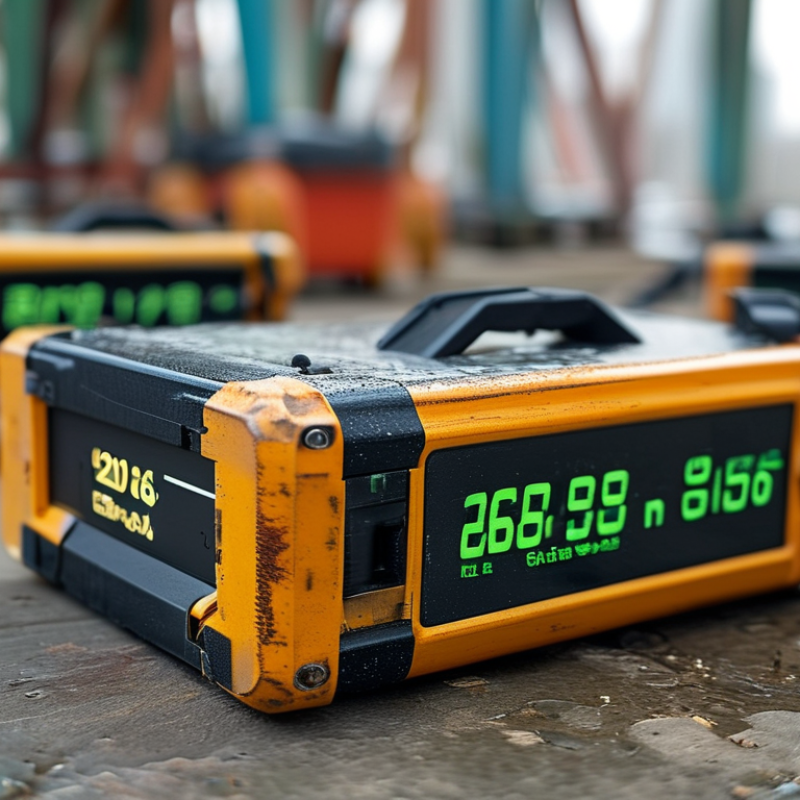
Table of Contents [Hide]
What Defines LoRaWAN Tracker Battery Life in 2026
LoRaWAN tracker battery life in 2026 depends on radio behavior, not the battery label alone. The LoRa Alliance reports that LoRaWAN deployments grew by 66% in 2023, increasing demand for reliable long-term tracking. Its technical guidance describes battery operation lasting up to ten years under suitable conditions. That figure is not guaranteed. A tracker sending one location daily differs greatly from one reporting every five minutes.
Payload size matters. So does signal quality. When a device uses a higher spreading factor indoors, each transmission stays on air longer and consumes more energy. Confirmed uplinks, frequent downlinks, poor antenna placement, and repeated network retries can shorten service life sharply. Adaptive Data Rate may reduce airtime, but it needs stable connectivity and careful network planning. Temperature also changes battery performance, especially in refrigerated transport or exposed outdoor storage.
GSMA Intelligence forecasts tens of billions of IoT connections worldwide by 2030, making maintenance intervals increasingly important for global buyers. In field testing, engineers should measure current during sleep, transmission, reception, and failed retries. Datasheets often emphasize laboratory endurance. Real routes are messier.
A tracker may last eight years on a clear warehouse route, then fall below three years across underground loading areas. That uncomfortable gap deserves attention. Battery predictions should include regional coverage, reporting frequency, seasonal temperature, and a safety margin. Estimates without those inputs are neat, but weak.
Brands
Proudly Trusted by Top Suppliers Worldwide






Let us know and we will automate, together to fit your industrial needs.
 +91-97254 16844
Clients
Proudly Trusted by Top Companies Worldwide


Do you need Help? Get in touch.
X
Please fill out the form below and we will get back to you as soon as possible.