o
p
t
i
m
a
r
o
b
o
t
i
c
s

Make a Call


Make a Call
Blogs
2026 Best Suspended LED Panel for Global Buyers?
Choosing the 2026 best Suspended Led Panel requires more than comparing wattage or visual design. Global buyers must examine efficacy, glare control, color consistency, driver quality, and installation support. A bright panel can still create uncomfortable reflections on polished desks. A low-cost driver can also produce visible flicker, audible noise, or early failures.
The International Energy Agency reports that lighting uses approximately 15% of global electricity. It also links lighting with about 5% of global greenhouse-gas emissions. These figures make efficient commercial lighting a practical procurement priority. The U.S. Department of Energy’s Solid-State Lighting research also highlights improved efficacy, controls, and lifetime as central LED performance areas. However, published figures require careful reading. Rated lifetime may assume ideal temperatures and stable voltage. Real ceilings are less forgiving.
James R. Benya, PE, a respected lighting designer and engineer, has said, “Light is the single most important element in architecture.” His observation matters for every Suspended Led Panel project. The best solution should support comfortable work, clear faces, balanced brightness, and adaptable layouts. Buyers should verify UGR data, CRI values, color-temperature options, emergency compatibility, certifications, warranty terms, and replacement access. European offices, Asian factories, and North American schools may require different specifications. There is no universal winner. That conclusion is inconvenient, but useful. This guide compares leading options through measurable performance, installation experience, and long-term value, rather than attractive product photography alone.
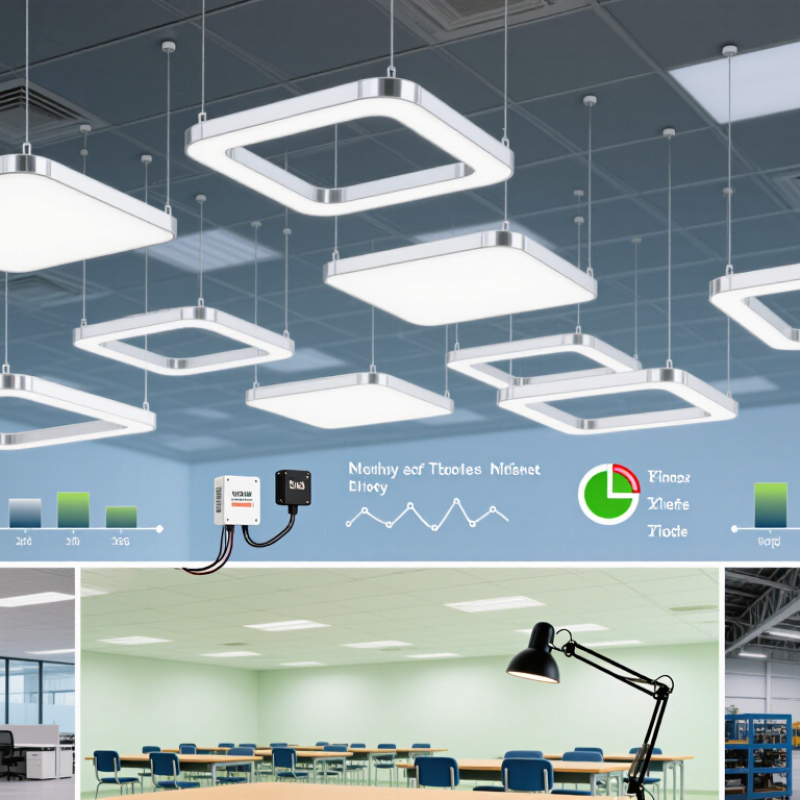
Table of Contents [Hide]
What Is a Suspended LED Panel and How Does It Work?
A suspended LED panel is a thin ceiling luminaire hung on adjustable cables. It provides light from a lower position than recessed fixtures. This arrangement can reduce ceiling shadows and create a cleaner visual rhythm over desks, counters, or corridors. Most panels use edge-lit LEDs, a light guide, a diffuser, and an electronic driver. The driver changes mains electricity into controlled direct current. The light guide spreads illumination across the panel. The diffuser then softens bright points and limits glare.
Direct light faces downward. Indirect light reflects from the ceiling. Many suspended models combine both distributions. Dimming controls or occupancy sensors can adjust output when spaces are empty. The U.S. Department of Energy’s 2023 SSL research report notes that LED packages can exceed 200 lumens per watt in laboratory conditions. Real fixtures usually perform lower because of optics, heat, and driver losses. The International Energy Agency estimates lighting consumes about 15% of global electricity. Better control matters, not only higher efficacy.
In field installations, uneven suspension heights often create visible glare and awkward shadows. The ceiling plan is rarely perfect.
Tips: Check mounting height, beam distribution, color consistency, and glare rating before purchase. A 4000K panel may suit offices, but warmer light can feel calmer in hospitality spaces. Measure the room first. Do not judge brightness from wattage alone. Review delivered lumens, power factor, warranty terms, and driver replacement access. Some specifications look impressive, yet maintenance becomes difficult after installation.
Brands
Proudly Trusted by Top Suppliers Worldwide







Let us know and we will automate, together to fit your industrial needs.
 +91-97254 16844
Clients
Proudly Trusted by Top Companies Worldwide


Do you need Help? Get in touch.
X
Please fill out the form below and we will get back to you as soon as possible.