o
p
t
i
m
a
r
o
b
o
t
i
c
s

Make a Call


Make a Call
Blogs
What Is an Acme Flange Nut and How Is It Used?
An Acme Flange Nut combines an Acme-threaded internal profile with a built-in flange. This design supports controlled linear movement while spreading clamping pressure across a wider surface. It is commonly used with lead screws in vises, machine tools, lifting mechanisms, and industrial actuators.
The Acme thread typically has a broad, 29-degree profile. Its shape offers strength, smoother engagement, and better resistance to wear than many ordinary fastening threads. The flange also helps stabilize the nut against a mounting face. Small details matter. Correct thread size, pitch, material, and alignment must match the lead screw. A mismatched nut may bind, produce backlash, or damage expensive components.
In practical maintenance work, technicians often inspect these nuts for uneven wear, metal dust, rough travel, and visible scoring. Lubrication should follow the equipment manufacturer’s instructions, because excessive grease can attract abrasive particles. Proper torque is equally important. Too little clamping force may allow movement, while too much can distort the assembly.
An Acme Flange Nut is not automatically interchangeable with a standard hex nut or every trapezoidal screw component. That assumption causes avoidable failures. Even experienced installers can overlook flange clearance or misread thread specifications. Careful measurement remains essential. A reliable installation uses clean threads, square alignment, suitable lubrication, and a final movement test under realistic load. This guide explains the nut’s structure, common applications, selection criteria, and practical installation considerations, while recognizing that real machine conditions may require adjustment.
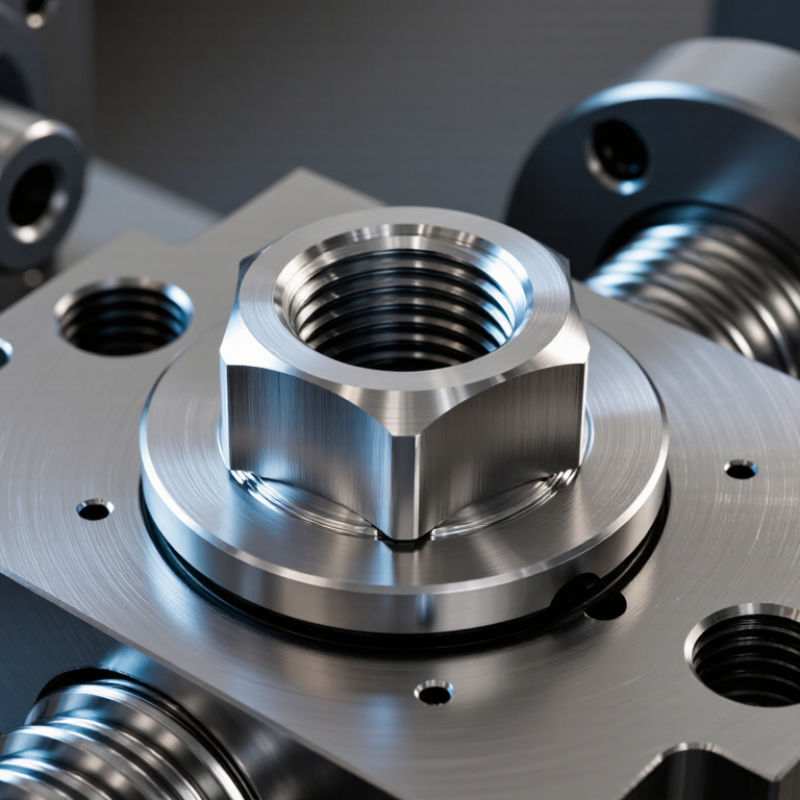
Table of Contents [Hide]
Definition and Basic Function of an Acme Flange Nut
What Is an Acme Flange Nut and How Is It Used?
Definition and Basic Function of an Acme Flange Nut
An Acme flange nut is a threaded component designed to work with an Acme lead screw. Its internal thread has a trapezoidal profile, rather than the sharper shape found on standard fasteners. This geometry helps transfer motion and load efficiently along the screw.
The integrated flange acts like a built-in washer. It spreads pressure across a larger mounting surface and helps secure the nut inside a machine assembly. When the Acme screw rotates, the nut moves linearly. This action is common in lifting devices, positioning systems, vises, and adjustable machinery. The nut may carry substantial force, but its actual capacity depends on material, lubrication, alignment, and operating speed.
In practical maintenance, technicians should check thread engagement, side play, and surface wear before installation. Even slight misalignment can create uneven contact and unwanted friction. That detail is easy to overlook. An Acme flange nut is not automatically interchangeable with every trapezoidal screw, either. Thread dimensions must match precisely.
Tips: Clean both threads before assembly. Apply suitable lubricant when required by the equipment design. Tighten the flange evenly, then test movement by hand. If motion feels rough, stop and inspect alignment instead of forcing the screw. Some installations may need a retaining plate or adjustment method to control backlash.
Brands
Proudly Trusted by Top Suppliers Worldwide







Let us know and we will automate, together to fit your industrial needs.
 +91-97254 16844
Clients
Proudly Trusted by Top Companies Worldwide


Do you need Help? Get in touch.
X
Please fill out the form below and we will get back to you as soon as possible.