o
p
t
i
m
a
r
o
b
o
t
i
c
s

Make a Call


Make a Call
Blogs
What Is the Best Aluminium Melting Furnace in China?
Choosing the best aluminium melting furnace in China requires more than comparing purchase prices. Furnace design affects melt quality, energy use, metal loss, maintenance, and workplace safety. The right choice depends on alloy, charge material, batch size, and production rhythm.
The International Aluminium Institute reported approximately 70 million tonnes of primary aluminium production worldwide in 2023. China contributed nearly 60 percent of that volume. This scale creates strong demand for efficient melting and holding equipment. The IAI also states that recycling aluminium can save up to 95 percent of the energy used for primary production. Therefore, scrap-friendly furnace design matters greatly.
A practical furnace should deliver stable temperature control, low oxidation, reliable refractory performance, and measurable fuel consumption. Gas-fired, electric resistance, induction, and regenerative systems each suit different factories. Induction may offer clean control for smaller batches. Regenerative gas furnaces can support larger continuous operations. Neither is automatically the best.
Dr. John A. S. Green, an aluminium-processing specialist and author, emphasizes that “the melting of aluminium is an energy-intensive process.” That warning deserves attention. A furnace that appears inexpensive can become costly through dross, heat loss, downtime, and difficult maintenance.
The data is useful, but incomplete. Factory conditions vary. Operators also matter. In a real workshop, wet scrap, unstable voltage, poor charging practice, or a damaged door can reduce performance quickly. This guide compares Chinese aluminium melting furnace technologies through efficiency, capacity, safety, automation, service support, and total operating cost. The best model is not the most powerful one. It is the one that consistently produces clean metal with controlled, explainable costs.
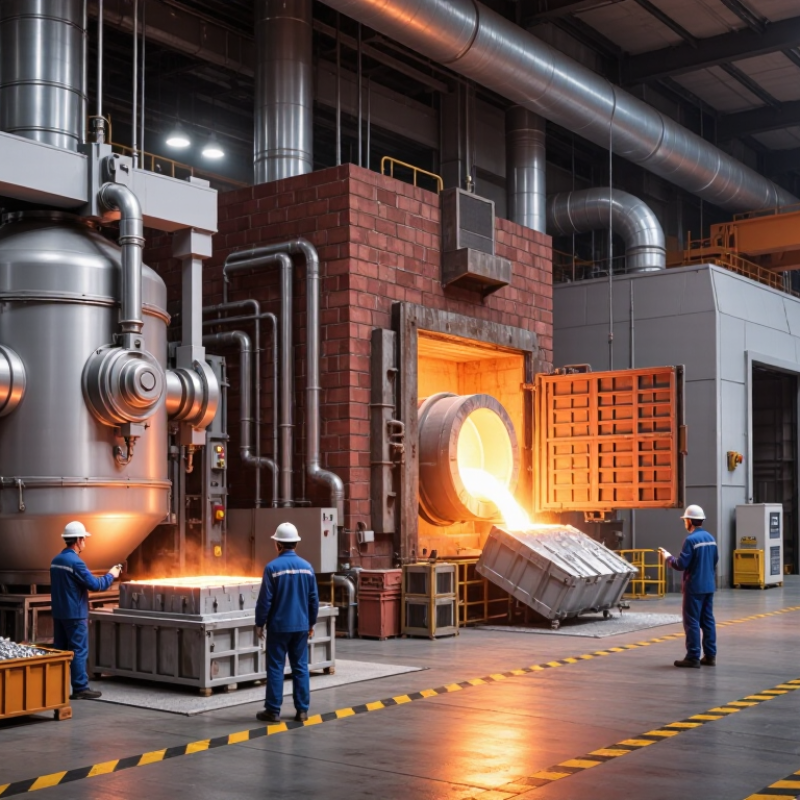
Table of Contents [Hide]
Aluminium Melting Furnaces: Definition, Functions, and Industrial Applications
What Is the Best Aluminium Melting Furnace in China?
An aluminium melting furnace heats solid metal into controlled liquid aluminium. It also supports holding, alloy adjustment, skimming, and temperature control. Foundries use these furnaces for automotive castings, construction profiles, cookware, and recycled ingots. Common designs include gas-fired reverberatory, rotary, and electric induction furnaces. Each design suits different batch sizes, scrap conditions, and production rhythms.
The International Aluminium Institute reports that recycled aluminium can save up to 95% of the energy used for primary production. That figure makes efficient scrap melting increasingly important.
The best furnace depends on measurable operating needs, not a catalogue headline. Check melting capacity, fuel consumption, temperature uniformity, metal recovery, emissions control, and refractory life. A furnace processing painted or oily scrap needs stronger exhaust treatment and careful charging procedures.
USGS Mineral Commodity Summaries 2024 estimated China produced over 40 million tonnes of primary aluminium in 2023. This scale increases demand for dependable equipment, but local conditions still matter. A low purchase price may hide higher oxidation losses. I would also question impressive efficiency figures without independent testing. Real plant data is more useful than polished specifications.
Tips:
Request a trial using your actual scrap mix. Record kilograms melted per hour, energy used, dross percentage, and final metal temperature. Inspect burner access, lining repairs, controls, and operator safety features. Choose suppliers that provide test records, service training, and replacement-part availability. A practical furnace should perform consistently on difficult days, not only during demonstrations.
Brands
Proudly Trusted by Top Suppliers Worldwide







Let us know and we will automate, together to fit your industrial needs.
 +91-97254 16844
Clients
Proudly Trusted by Top Companies Worldwide


Do you need Help? Get in touch.
X
Please fill out the form below and we will get back to you as soon as possible.