o
p
t
i
m
a
r
o
b
o
t
i
c
s

Make a Call


Make a Call
Blogs
What Is the Best China Knotting Unit Body Supplier?
Choosing the best China Knotting unit body supplier requires more than comparing catalog prices. It requires evidence from the machine floor. A reliable supplier should provide stable dimensions, durable alloy selection, consistent hole alignment, and traceable quality records. These details affect knot strength, yarn movement, downtime, and replacement frequency.
The International Textile Machinery Federation’s International Textile Machinery Shipment Statistics report shows continuing investment in modern textile production, despite uneven global demand. That investment increases pressure on component suppliers. Buyers now expect faster delivery, repeatable tolerances, and practical technical support. ITMF Director General Christian Schindler has repeatedly emphasized the importance of innovation and competitiveness across textile machinery manufacturing. His message is relevant here: “Innovation is the key to competitiveness.” A Knotting Unit Body supplier must apply that principle to ordinary parts, not only advanced machines.
The strongest candidates usually share visible habits. They inspect each batch with gauges, protect machined surfaces during packing, and explain material specifications clearly. Ask for dimensional reports, sample approval, and production references. Ask uncomfortable questions, too. Can the supplier repeat the same fit after six months? Can it support a small emergency order? Some suppliers look excellent on paper, yet their communication becomes slow after payment. That risk deserves attention.
This introduction compares Chinese suppliers through manufacturing experience, quality control, customization ability, delivery reliability, and after-sales service. The goal is not to name the cheapest factory. It is to identify the supplier that protects production stability, one precisely fitted Knotting Unit Body at a time.
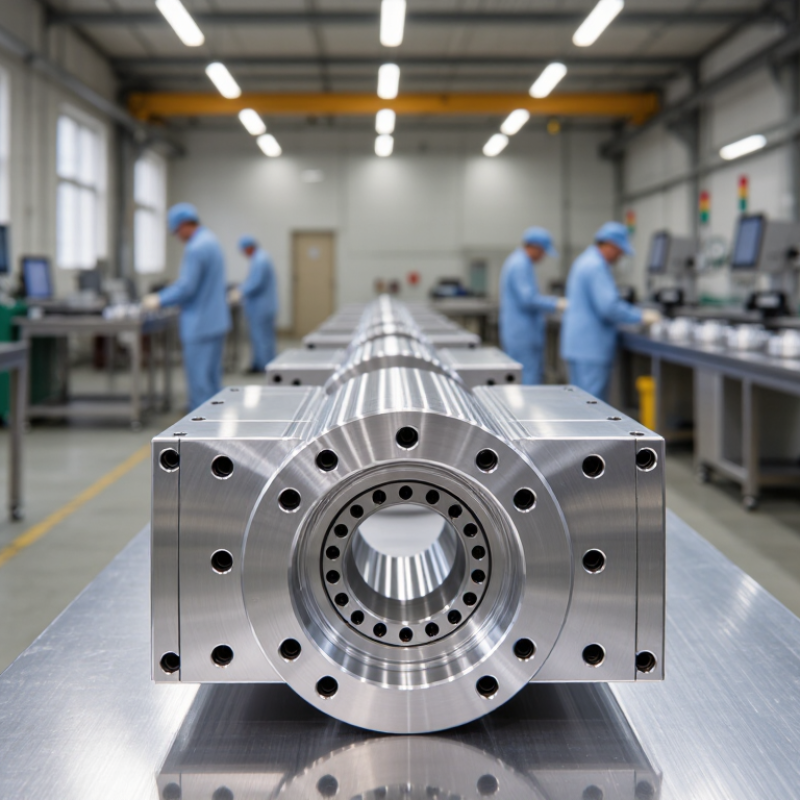
Table of Contents [Hide]
Understanding China Knotting Unit Bodies and Their Applications
What Is the Best China Knotting Unit Body Supplier?
Understanding China Knotting Unit Bodies and Their Applications
A China knotting unit body is a precision housing used in textile knotting equipment. It supports the knotter, guides yarn movement, and helps maintain stable alignment during operation. These bodies commonly serve automatic winders, yarn preparation machines, and repair systems. Their performance depends on accurate machining, suitable metal strength, and consistent surface finishing. A small dimensional error can cause uneven knots, thread breaks, or repeated machine stops.
In practical evaluation, buyers should check the body’s compatibility with the machine model, mounting points, shaft position, and working clearance. Material certificates and inspection records also matter. Aluminum can reduce weight, while treated steel may provide stronger wear resistance. The best supplier is not always the cheapest. Reliable communication, repeatable tolerances, and responsive technical support often save more money over time. Still, specifications can look perfect on paper and fail during installation. That possibility deserves attention.
Tips: Request a sample before placing a large order. Measure critical holes and contact surfaces yourself. Ask how suppliers control batch consistency. Keep one approved unit body for future comparison. Clear drawings help, but real testing remains important. A useful inspection should include fit, movement, surface condition, and knotting stability. Even experienced teams can overlook a minor clearance issue. That is why feedback from operators should influence the final supplier decision.
Brands
Proudly Trusted by Top Suppliers Worldwide




Let us know and we will automate, together to fit your industrial needs.
 +91-97254 16844
Clients
Proudly Trusted by Top Companies Worldwide


Do you need Help? Get in touch.
X
Please fill out the form below and we will get back to you as soon as possible.