o
p
t
i
m
a
r
o
b
o
t
i
c
s

Make a Call


Make a Call
Blogs
Top Quick Connect Couplers for Global Buyers?
Choosing the top Quick Connect Couplers for global buyers requires more than comparing prices or polished product photos. These components control fluid, air, or gas connections, so small design differences can affect safety, downtime, and maintenance costs. A reliable evaluation considers port size, flow capacity, working pressure, temperature range, seal material, corrosion resistance, and connection type.
Real purchasing experience shows that compatibility problems often appear after installation. A coupler may fit the thread but restrict flow. Another may handle pressure but fail in cold conditions. Buyers should request dimensional drawings, pressure test records, material certificates, and clear interchangeability details. Supplier experience also matters. Consistent batch control, traceable production, and responsive technical support can reduce costly surprises across borders.
Standards still need attention. ISO references, regional requirements, and industry-specific specifications may guide selection, but certification alone does not prove practical suitability. Ask how each model was tested. Check the actual media, cycle count, temperature, and pressure used. No ranking is perfect. Product data can be incomplete, and even experienced teams sometimes overlook seal aging or operator handling. That is worth admitting.
This guide compares leading coupler options through a buyer-focused lens. It examines performance, materials, connection security, supplier reliability, documentation, and total ownership value. The goal is not to promote one universal solution. It is to help distributors, engineers, and procurement teams make a defensible choice for their equipment, market, and operating conditions. A careful shortlist begins with evidence, not assumptions.
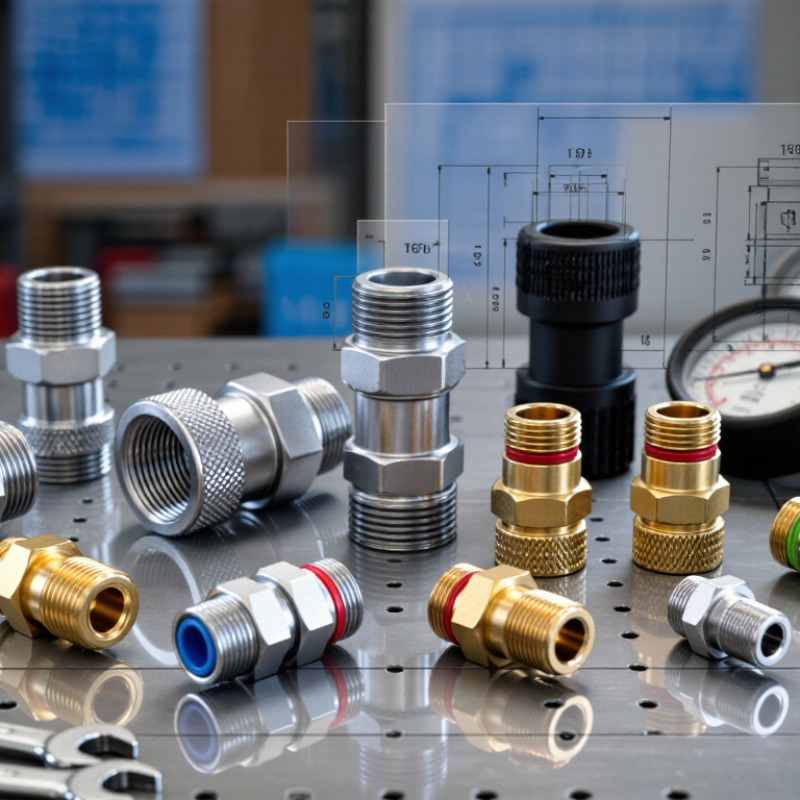
Table of Contents [Hide]
Quick Connect Couplers: Definition, Purpose, and Operating Principles
Top Quick Connect Couplers for Global Buyers?
Quick Connect Couplers: Definition, Purpose, and Operating Principles
A quick connect coupler joins fluid lines without tools or prolonged shutdowns. It uses a plug, socket, locking sleeve, and internal valve. When connected, the valves open and allow fluid to pass. When separated, they close and limit leakage. Simple in theory.
Couplers support hydraulic machinery, pneumatic tools, agricultural equipment, and mobile service systems. Selection depends on pressure, flow rate, fluid type, temperature, thread standard, and connection frequency. ISO 7241 defines general hydraulic quick-coupling dimensions and performance requirements. ISO 16028 covers flat-face couplings, which reduce air entry and surface contamination. These details matter during international sourcing.
Market data also shows growing demand. MarketsandMarkets’ 2024 analysis forecasts the quick couplings market to expand at roughly 5% annually through 2029. Grand View Research’s 2024 hydraulic equipment report projects about 4.8% annual growth from 2024 to 2030. Growth does not make every coupler suitable. A higher pressure rating may increase size, cost, and connection force. A smaller coupling may restrict flow and create heat. In field inspections, mismatched seals remain a common failure point. That is easy to overlook. Buyers should request pressure-test records, material certificates, dimensional drawings, and cycle-test results. Confirm the standard, not only the thread label. A coupler can fit physically yet fail operationally. The safest choice balances verified data with the actual working environment.
Brands
Proudly Trusted by Top Suppliers Worldwide







Let us know and we will automate, together to fit your industrial needs.
 +91-97254 16844
Clients
Proudly Trusted by Top Companies Worldwide


Do you need Help? Get in touch.
X
Please fill out the form below and we will get back to you as soon as possible.