o
p
t
i
m
a
r
o
b
o
t
i
c
s

Make a Call


Make a Call
Blogs
China Best Four Way Shuttle Manufacturer and Supplier
China has become a significant production base for warehouse automation equipment, including the Four-Way Shuttle. Manufacturers now serve cold storage, e-commerce, food, beverage, and industrial distribution facilities. These applications demand dense storage, stable movement, and accurate inventory control.
MHI’s 2024 Annual Industry Report highlights labor shortages, operational resilience, and automation investment as major supply-chain priorities. Its findings also show growing interest in robotics, warehouse software, sensors, and connected equipment. Interact Analysis’ warehouse automation research likewise identifies shuttle systems as an important solution for high-density storage and flexible pallet handling. However, market growth should not be confused with guaranteed savings. A poorly designed layout can leave expensive shuttles waiting beside half-empty aisles.
Dr. Michael ten Hompel, a respected intralogistics researcher, has stated, “Automation must serve the process, not replace the process.” This principle matters when selecting a China Four-Way Shuttle manufacturer and supplier. Buyers should examine load capacity, battery endurance, shuttle speed, rack tolerance, temperature performance, control-system compatibility, and after-sales support. Factory testing is valuable, but real warehouse conditions reveal more. Dust, uneven pallets, changing stock profiles, and peak-season pressure can expose weaknesses quickly.
A reliable supplier should provide engineering calculations, traceable test records, installation guidance, spare parts, and measurable service commitments. Certifications help, but they do not replace application experience. The best choice may not be the cheapest quotation. It should be the supplier that understands the complete storage process, admits design limitations, and improves the solution before problems reach the warehouse floor.
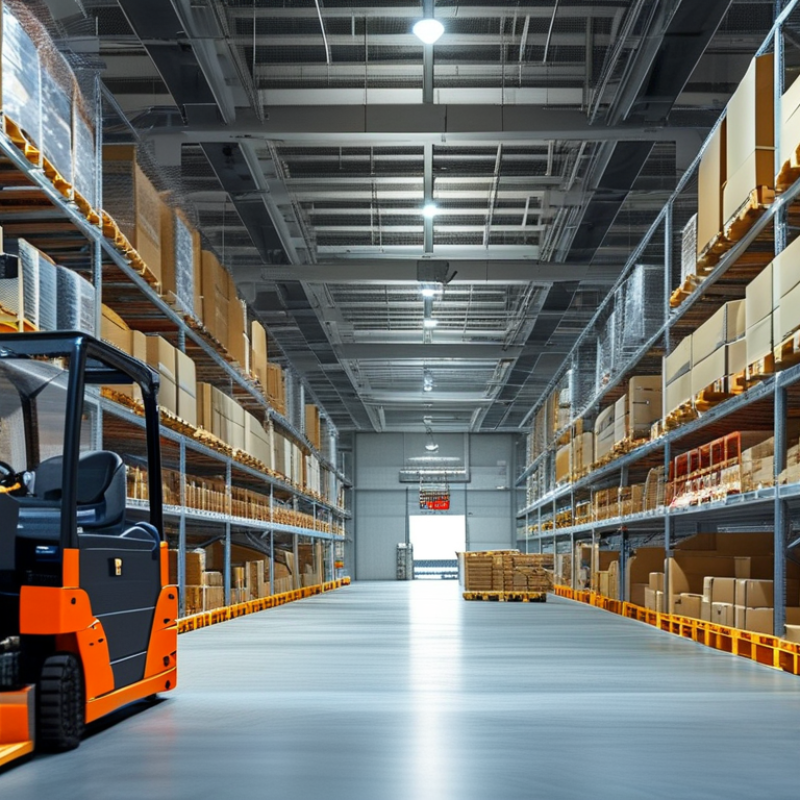
Table of Contents [Hide]
What Is a Four-Way Shuttle Storage System?
A four-way shuttle storage system is an automated pallet solution designed for high-density warehouses. Unlike a conventional shuttle, it can travel forward, backward, left, and right. This movement allows one shuttle to serve several storage lanes.
The system usually includes four-way shuttles, rails, lifts, transfer cars, and warehouse control software. Shuttles carry pallets into deep lanes, then retrieve them without forklifts entering the rack. This improves storage density and reduces aisle requirements. It also supports first-in, first-out or last-in, first-out operations, depending on product needs.
According to MHI’s 2024 Annual Industry Report, 55% of supply chain professionals planned to increase technology investment within two years. This reflects growing interest in automation, but automation is not automatically efficient. Actual performance depends on pallet quality, software integration, battery charging, and order profiles. A poorly planned system can create congestion. That part is often underestimated.
Tips: Check pallet dimensions, load weight, temperature, and turnover rates before selecting equipment. Request measured data for cycle time, storage capacity, and recovery performance. Keep a manual operating plan for maintenance periods. Small testing gaps can become expensive problems.
Brands
Proudly Trusted by Top Suppliers Worldwide





Let us know and we will automate, together to fit your industrial needs.
 +91-97254 16844
Clients
Proudly Trusted by Top Companies Worldwide


Do you need Help? Get in touch.
X
Please fill out the form below and we will get back to you as soon as possible.