o
p
t
i
m
a
r
o
b
o
t
i
c
s

Make a Call


Make a Call
Blogs
How to Choose a Wax Flaking Conveyor in 2026?
Choosing a Wax Flaking Conveyor in 2026 requires more than comparing prices, belt widths, or advertised capacity. The right system must match wax temperature, flake thickness, cooling time, cleaning routines, and production targets. A conveyor that performs well in a dry, stable factory may struggle when humidity rises or wax begins sticking beneath the discharge point.
Dr. Elena Marlowe, an independent process-equipment consultant, explains: “A conveyor is not merely a transfer device; it controls whether your flakes remain consistent, cool, and saleable.” Her observation highlights an often-missed detail. Conveyor design influences product shape, surface quality, operator safety, and maintenance effort. Small choices matter. Scraper material, belt speed, frame clearance, and airflow can change daily performance.
This guide examines the practical factors behind a reliable Wax Flaking Conveyor, including sanitary construction, load stability, temperature control, drive selection, and cleaning access. It also considers newer 2026 expectations, such as energy monitoring, modular parts, safer guarding, and easier process data collection. However, no machine is perfect. A high-speed conveyor may increase output but create uneven cooling. A stainless-steel frame may resist corrosion but raise the purchase cost. Those trade-offs deserve honest attention before approval.
Real experience often reveals what brochures omit. Listen for rattling bearings. Watch flakes during startup. Measure the actual discharge temperature. Then compare those observations with your production goals, maintenance skills, and available floor space. The best choice is not always the most advanced model. It is the one that performs consistently under your real operating conditions.
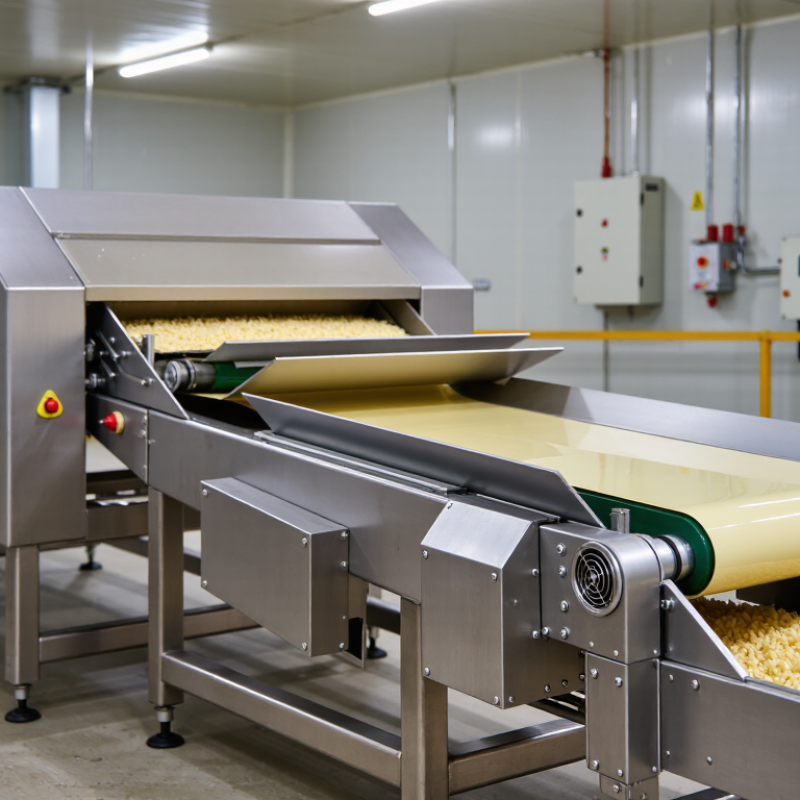
Table of Contents [Hide]
What Is a Wax Flaking Conveyor and How Does It Work?
How to Choose a Wax Flaking Conveyor in 2026?
What Is a Wax Flaking Conveyor and How Does It Work?
A wax flaking conveyor transfers cooled wax flakes from a flaker to storage, packing, or further processing equipment. The flaker usually pours molten wax onto a chilled rotating drum. As the wax solidifies, a scraper removes it as thin flakes. The conveyor then receives these flakes and moves them steadily through the production line.
Most systems use a belt, cleated belt, or enclosed screw conveyor. The right design depends on wax temperature, flake size, throughput, and the distance between machines. Stainless steel construction supports hygiene and corrosion resistance. Variable-speed control helps match the conveyor with the flaker. This prevents pileups, broken flakes, and uneven feeding. Operators should also check the loading point, discharge height, belt tracking, and access for cleaning. Small details matter.
Tips: Request a capacity test with your actual wax. Check whether the conveyor handles sticky flakes without bridging. Ask for belt temperature limits, emergency stops, guarding, and spare-part availability. Inspect the cleaning process, not only the catalog images. This is where many specifications look impressive, but daily maintenance tells the truth. Leave room for adjustment; real production rarely stays perfectly consistent.
Brands
Proudly Trusted by Top Suppliers Worldwide







Let us know and we will automate, together to fit your industrial needs.
 +91-97254 16844
Clients
Proudly Trusted by Top Companies Worldwide


Do you need Help? Get in touch.
X
Please fill out the form below and we will get back to you as soon as possible.