o
p
t
i
m
a
r
o
b
o
t
i
c
s

Make a Call


Make a Call
Blogs
10 Tips for Choosing a Smart Lock Manufacturer China
Choosing a Smart Lock Manufacturer China requires more than comparing prices on a product page. A reliable decision begins with practical questions about experience, engineering ability, factory control, and communication. Can the supplier explain its testing process clearly? Can it provide samples that match the final production version? These details often reveal more than polished photos.
A capable manufacturer should understand Bluetooth, Wi-Fi, fingerprint, keypad, and mechanical override systems. It should also show evidence of durability testing, battery management, software support, and access-control security. Ask for factory audit records, quality procedures, certifications, and documented inspection standards. Verify whether those documents apply to the exact model you plan to purchase. Small differences matter. A hotel lock and a residential lock rarely face the same daily demands.
Do not ignore after-sales support. Firmware updates, spare parts, installation guidance, and warranty response can affect your business for years. Request a clear timeline for samples, tooling, production, and shipping. Visit the factory if possible, or arrange a live video inspection. It may expose weaknesses that brochures hide. However, no supplier is perfect, and even experienced buyers can overlook integration problems. Test the lock with real doors, unstable networks, cold batteries, and hurried users. A thoughtful selection process balances cost with reliability, compliance, customization, and long-term cooperation. The right partner should answer difficult questions without pressure, vague promises, or unnecessary confidence. Evaluate evidence, not enthusiasm.
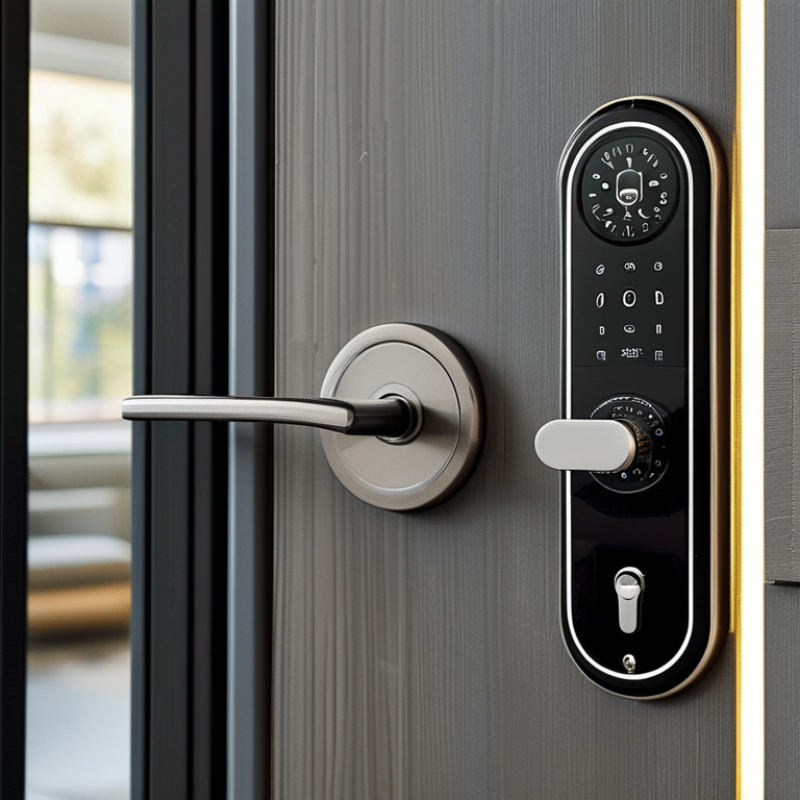
Table of Contents [Hide]
Define Smart Lock Requirements: ANSI/BHMA Grades, IP Ratings, and Connectivity
When choosing a smart lock manufacturer in China, define performance requirements before discussing price. ANSI/BHMA grades help compare durability, security, and cycle testing. Higher grades usually suit entrances with frequent daily use. Confirm which grade the complete lock achieved, not only one component. Request test reports, sample units, and clear testing dates.
Tip: Match the IP rating to the installation environment. An outdoor gate may face rain, dust, and temperature changes. IP ratings describe protection against solids and water, but they do not prove resistance to every climate. Ask how the lock performs after repeated exposure. Real conditions can be less predictable.
Connectivity also needs careful planning. Bluetooth may work well for nearby access, while Wi-Fi supports remote management but can increase power use. Some projects need a gateway, local control, or an emergency access method. Check compatibility with your management software, mobile devices, and network security requirements. Ask about firmware updates and data protection practices. Small details matter.
Tip: Test the lock with weak signals, wet hands, gloves, and low battery conditions. A specification sheet cannot reveal every installation problem. I have seen promising samples fail when doors shifted slightly. That was a useful reminder. Request installation guidance, replacement parts, and a defined warranty process before placing a large order.
Brands
Proudly Trusted by Top Suppliers Worldwide







Let us know and we will automate, together to fit your industrial needs.
 +91-97254 16844
Clients
Proudly Trusted by Top Companies Worldwide


Do you need Help? Get in touch.
X
Please fill out the form below and we will get back to you as soon as possible.