o
p
t
i
m
a
r
o
b
o
t
i
c
s

Make a Call


Make a Call
Blogs
How to Choose the Best Polymer Adhesive for Your Needs
Choosing a Polymer Adhesive is less about chasing the strongest label and more about matching the adhesive to the joint. A rigid metal bracket, a flexible plastic housing, and a porous wood panel each place different demands on a bond. Surface energy, temperature, moisture, load direction, and curing time can all change the result. Small details matter.
Adhesion-mechanics researcher Dr. David A. Dillard’s work offers a useful reminder: bond performance depends on the complete bonding system, not adhesive strength alone. The following line is a practical paraphrase, not a verbatim quotation: “Choose for the surfaces and service conditions, not the number on the label.” That distinction can prevent a common mistake: selecting a product from a strength rating while overlooking surface preparation or long-term exposure.
A quick example. A joint beside a warm motor may need different heat resistance than a trim piece used indoors. Some polymers also resist bonding unless cleaned or treated carefully. Read the technical data sheet, check compatibility with both substrates, and test a small sample under realistic conditions. A neat bead is not proof of a durable bond.
There is no universal best choice. Even experienced buyers can miss a variable, such as repeated flexing or a cold installation surface. This guide explains how to compare adhesive chemistries, application methods, and performance requirements, so your selection rests on evidence rather than packaging claims. A little uncertainty is useful; it prompts better questions before the full job begins.
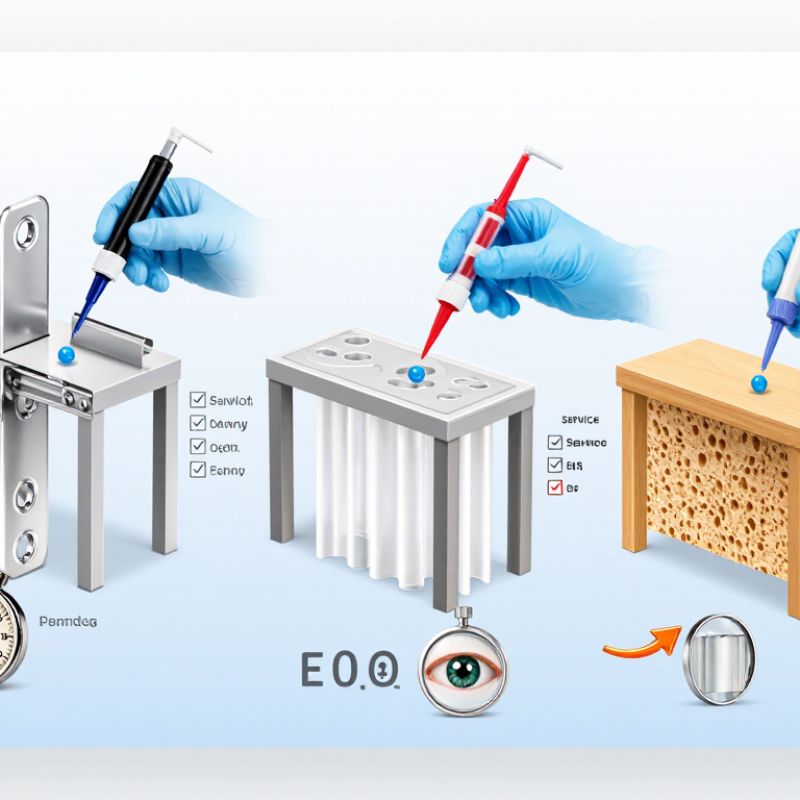
Table of Contents [Hide]
Identify the Materials and Surfaces to Be Bonded
Start by naming both substrates, not just calling them “plastic” or “metal.” ABS, polycarbonate, polyethylene, stainless steel, and painted aluminum present different bonding challenges. Low-surface-energy plastics such as polyethylene can resist wetting, while fingerprints or mold-release residue can weaken adhesion on many materials. Check coatings too. An adhesive may grip the paint but not the underlying panel. That distinction matters. Note whether each surface is rigid, flexible, porous, or coated, and whether it may move during use.
Examine the actual contact area. A smooth glass coupon, a rough cast part, and a curved plastic housing create different contact conditions and stress patterns. Look for scratches, seams, gaps, and edges that could lift under peel forces. Clean each surface with a method compatible with its material; some solvents can damage or craze certain plastics. Let surfaces dry fully. Then check the adhesive’s technical data for substrate compatibility, preparation requirements, temperature range, and cure conditions. Test representative offcuts when possible, especially if coatings or production conditions vary. It is tempting to trust one successful test, but a single sample may hide differences between parts. Measure performance after full cure, not just with an early finger pull.
Brands
Proudly Trusted by Top Suppliers Worldwide







Let us know and we will automate, together to fit your industrial needs.
 +91-97254 16844
Clients
Proudly Trusted by Top Companies Worldwide


Do you need Help? Get in touch.
X
Please fill out the form below and we will get back to you as soon as possible.