o
p
t
i
m
a
r
o
b
o
t
i
c
s

Make a Call


Make a Call
Blogs
How to Choose the Right Spindle Hub Bearing Assembly?
Choosing the right Spindle Hub Bearing Assembly is not a matter of matching dimensions alone. It requires a careful review of load, speed, heat, sealing, and installation conditions. A bearing may fit the spindle and still fail early. That mistake is surprisingly common.
Bearing authority Tedric A. Harris described a bearing’s purpose as “to support a load while permitting relative motion.” His observation is simple, but it guides practical selection. The assembly must carry radial loads, absorb cornering forces, and tolerate road vibration. For trailer, agricultural, and automotive applications, technicians should also check hub geometry, axle compatibility, preload requirements, and manufacturer specifications.
Start with the operating environment. Dust, water, mud, and temperature changes can attack the lubricant and raceways. A robust seal helps, but it cannot correct poor installation. Look for the correct internal clearance, load rating, grease compatibility, and corrosion resistance. Confirm whether the unit uses tapered roller bearings, sealed bearings, or a pre-adjusted design. Each option behaves differently under service.
Small details matter.
A torque wrench is essential. Clean contact surfaces matter too. Even a slight seating error can create uneven contact, excess heat, and premature noise. In real workshops, selection decisions are sometimes rushed because the old part looks similar. That approach deserves reconsideration. Part numbers, dimensions, and vehicle data should be verified through reliable catalogs or the original equipment manufacturer.
No selection method is perfect. Service history may reveal problems that a specification sheet cannot. Choose the Spindle Hub Bearing Assembly by combining engineering data, field evidence, and careful inspection. That balance supports safer operation, longer service life, and more dependable maintenance decisions.
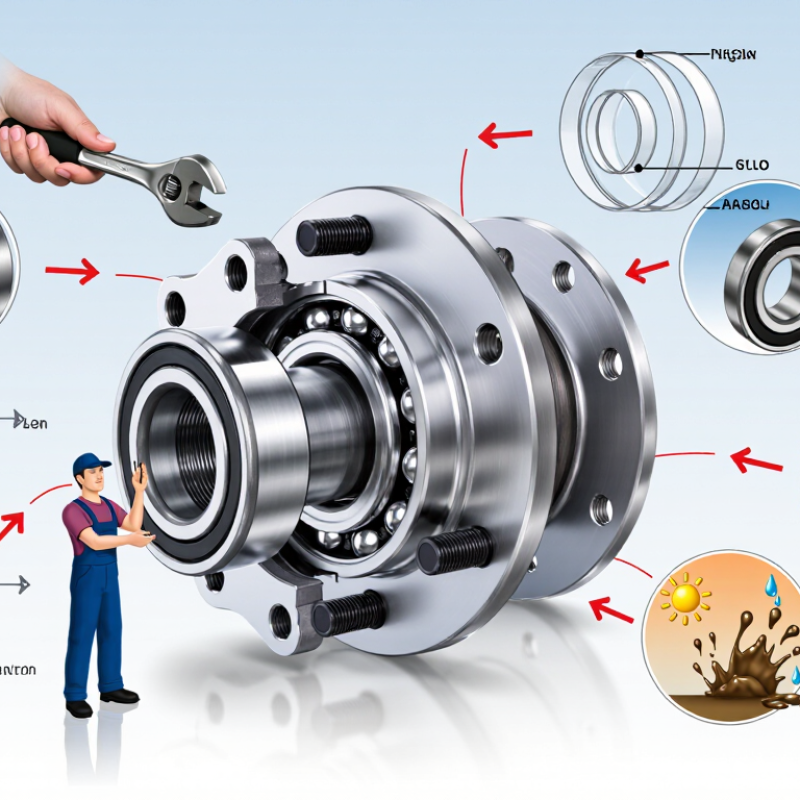
Table of Contents [Hide]
Identify Bearing Type, Hub Dimensions, and Vehicle Load Requirements
Choosing the right spindle hub bearing assembly starts with the bearing type, not its appearance. Ball bearings handle moderate radial loads and compact hub designs. Tapered roller bearings suit heavier loads and combined radial and axial forces. Inspect the old bearing for pitting, discoloration, or uneven wear. These marks often reveal overload or poor adjustment. Do not guess.
Measure the spindle diameter, hub bore, bearing width, flange thickness, and wheel stud spacing with accurate tools. Check the seal location and the ABS sensor clearance if the vehicle uses electronic wheel-speed monitoring. A nearly matching assembly can still create dangerous misalignment. Measure twice. Also compare the bearing’s inner and outer diameters with the hub and spindle seats. Small differences matter during installation.
Vehicle load requirements deserve equal attention. Check the axle rating, vehicle gross weight, cargo habits, and towing conditions. Cornering and braking create forces beyond the parked vehicle’s weight. Select a bearing with suitable dynamic and static load ratings, then verify the required preload or endplay. Follow the vehicle service manual for torque values and adjustment procedures. Over-tightening can generate heat; excessive looseness can damage the hub and spindle. In practical inspections, I have learned that clean seating surfaces matter as much as bearing selection. A little rust or debris can change the final fit. That detail is easy to overlook.
Brands
Proudly Trusted by Top Suppliers Worldwide







Let us know and we will automate, together to fit your industrial needs.
 +91-97254 16844
Clients
Proudly Trusted by Top Companies Worldwide


Do you need Help? Get in touch.
X
Please fill out the form below and we will get back to you as soon as possible.