2026 How Cobot Solutions Can Transform Your Supply Chain?
In the rapidly evolving landscape of supply chain management, the integration of cobot solutions is proving transformative. Cobots, or collaborative robots, are designed to work alongside human workers. They enhance efficiency while ensuring safety in various operational environments. As businesses face increasing demands for flexibility and speed, these robotic systems offer innovative approaches to streamline processes.
Cobot solutions can optimize inventory management and order fulfillment. Their ability to perform repetitive tasks frees up human workers for more complex duties, improving productivity. However, the transition to cobot implementation is not without challenges. Organizations must address integration issues and workforce training. Balancing automation with human capability remains a critical consideration.
Nevertheless, the potential benefits are substantial. With the right cobot solutions, companies can expect reduced costs and enhanced accuracy. As supply chains grow more complex, leveraging these technologies is not just an option; it is a necessity. The future of supply chains will rely heavily on the successful integration of collaborative robotics.
Cobot Solutions: An Introduction to Collaborative Robots in Supply Chains
Collaborative robots, or cobots, are reshaping supply chains in innovative ways. These robots are designed to work alongside humans, enhancing productivity and efficiency. Imagine a warehouse where cobots handle repetitive tasks, freeing human workers to focus on complex operations. This dynamic synergy minimizes errors and speeds up workflows.
In recent years, the adoption of cobot solutions has gained momentum. Companies are witnessing significant reductions in labor costs and improved safety measures. These robots can lift heavy items and help with inventory management. However, integrating cobots into existing systems poses challenges. Training employees to work alongside robots requires time and investment. Not all tasks are suitable for automation, leading to questions about the future job landscape.
The potential benefits are undeniable, yet the implementation comes with its hurdles. Balancing technology with human roles is crucial. Companies must rethink their strategies and ensure clear communication about the changes. With careful planning, cobots can enhance supply chains and empower the workforce. The future lies in collaboration, but the transition needs thoughtful consideration and ongoing evaluation.
The Role of Cobots in Enhancing Efficiency and Productivity
Cobots, or collaborative robots, are revolutionizing supply chains by enhancing efficiency and productivity.
These machines work alongside human employees, supporting tasks without the need for complex programming.
This synergy enables businesses to optimize workflows and reduce operational bottlenecks.
Cobots can handle repetitive tasks, allowing human workers to focus on more strategic activities.
Integrating cobots can lead to significant improvements in productivity. For example, they can quickly assemble products,
pack orders, or even assist in inventory management. These functions help to streamline operations and decrease
turnaround times. The adaptability of cobots makes them an ideal solution for various industries, ensuring that
they can meet changing demands seamlessly.
Consider this when implementing cobots: start with a pilot program. Assess how these machines impact your workflow.
Gather employee feedback on effectiveness and efficiency. Be open to adjustments based on their insights.
This iterative approach fosters a culture of continuous improvement and maximizes the benefits cobots offer.
Embrace change, but don’t rush the process. The right implementation can lead to transformational results.
Key Areas Where Cobots Transform Supply Chain Operations
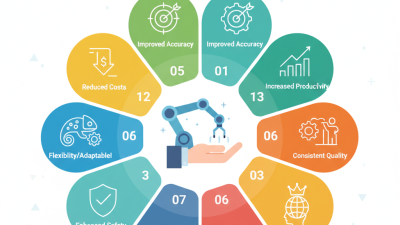
Collaborative robots, or cobots, are reshaping supply chain operations in significant ways. They enhance productivity by assisting workers rather than replacing them. For instance, cobots handle repetitive tasks, allowing human employees to focus on more complex and critical processes. Their flexibility means they can be easily reprogrammed for different tasks. This adaptability is crucial in today’s fast-paced supply chain environments.
Besides flexibility, cobots improve accuracy. They are designed to operate with precision, reducing the likelihood of human error. In warehousing, cobots can pick items with high accuracy, ensuring that inventory records remain reliable. They also minimize the physical strain on workers. This results in higher job satisfaction and lower turnover rates. However, businesses must invest in training to ensure seamless integration with existing systems.
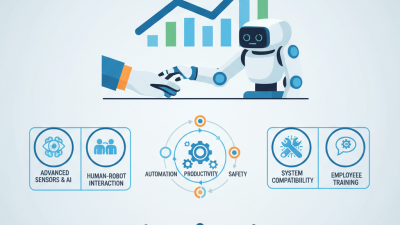
Despite the benefits, challenges remain. Some organizations may resist change due to concerns about job displacement. Additionally, there are technical hurdles, like software compatibility and maintenance issues. Companies need to address these concerns to fully leverage cobots. A thoughtful approach to integration can lead to notable improvements in operational efficiency and worker morale. Embracing innovation in supply chain management requires reflection and adaptation.
2026 How Cobot Solutions Can Transform Your Supply Chain? - Key Areas Where Cobots Transform Supply Chain Operations
| Key Area |
Impact on Supply Chain |
Benefits |
| Inventory Management |
Automated cycle counting and stock management |
Reduced stock discrepancies and labor costs |
| Order Fulfillment |
Cobots assist with picking and packing |
Faster order processing times, increased accuracy |
| Quality Control |
Consistent product inspections and testing |
Higher product quality, reduced returns |
| Logistics and Shipping |
Automated sorting and delivery preparation |
Improved delivery times, enhanced tracking |
| Labor Assistance |
Cobots working alongside human workers |
Enhanced workforce productivity, reduced strain |
Challenges and Considerations in Implementing Cobot Solutions
Implementing cobot solutions in the supply chain presents unique challenges. Organizations must analyze their existing workflows carefully. A 2022 report from the International Federation of Robotics indicates that while 77% of manufacturers believe cobots can enhance efficiency, 54% face integration difficulties. This mismatch reveals the gap between potential benefits and actual deployment.
Training is another critical aspect. Workers may resist new technology, fearing job displacement. According to a survey by Deloitte, nearly 60% of employees expressed concerns about adopting automation. Companies must invest in workforce education to alleviate these fears and ensure a smooth transition. Effective communication about cobots’ roles in complementing human labor is essential.
Moreover, safety and regulatory compliance raise further considerations. While cobots are designed to work alongside humans, their deployment could introduce risks. A study by the Occupational Safety and Health Administration showed that improper use of cobots can lead to workplace accidents. Organizations must establish clear protocols and conduct thorough safety evaluations before implementation to mitigate these issues.
Cobot Solutions Impact on Supply Chain Efficiency
This chart illustrates the expected efficiency improvements in various supply chain areas after implementing collaborative robot (cobot) solutions. The data reflects the percentage increase in efficiency across different aspects such as Order Fulfillment, Inventory Management, Quality Control, and Labor Productivity.
Future Trends: The Evolving Landscape of Cobots in Supply Chains
The landscape of supply chains is rapidly evolving. Collaborative robots, or cobots, are at the forefront of this transformation. These machines work alongside human operators to enhance efficiency. They take on repetitive tasks, allowing human workers to focus on more complex responsibilities. This shift can lead to improved productivity and reduced operational costs.
Challenges remain. Integrating cobots into existing systems is not always seamless. Training staff to effectively collaborate with these robots can be a hurdle. Companies need to consider the potential for job displacement. While cobots can reduce the burden of mundane tasks, they may also require a reevaluation of workforce roles. Balancing automation with human skills is essential.
Looking ahead, trends suggest that cobots will become more advanced. They will feature enhanced AI and machine learning capabilities. This advancement could lead to greater adaptability in dynamic supply chain environments. Companies that embrace this change may find themselves at a competitive advantage. However, it is crucial to approach this integration thoughtfully, considering both the opportunities and challenges that arise.