o
p
t
i
m
a
r
o
b
o
t
i
c
s

Make a Call


Make a Call
Blogs
How to Choose the Best Belt Cleaner?
Choosing the right Belt Cleaner is not a cosmetic upgrade. It is a control decision for conveyor performance, safety, and operating cost. A cleaner removes carryback before material reaches return rollers, walkways, and transfer points. Without effective cleaning, wet fines can form a hard, slippery layer beneath the belt. That small failure may create hours of washing, inspection, and unplanned maintenance.
Industry evidence supports a more careful approach. MHI’s 2024 Annual Industry Report found that more than half of supply chain leaders planned further investment in robotics and automation. This trend increases pressure on conveyors to operate consistently with fewer manual interventions. CEMA’s Belt Conveyors for Bulk Materials, Seventh Edition, also emphasizes belt alignment, loading conditions, material characteristics, and maintenance access. These factors directly influence cleaner performance. A primary scraper may suit a dry, controlled application. A secondary cleaner may be necessary when fine, sticky material remains.
The best choice depends on evidence from the actual conveyor. Check belt speed, width, splice design, moisture, particle size, and transfer-point geometry. Observe the discharge chute after several belt revolutions. Look for wet streaks, scattered carryback, or excessive blade wear. Ask how quickly operators can inspect and replace components. The cheapest blade can appear efficient. It may become expensive after repeated stoppages. That assumption needs testing.
This guide compares cleaner types, blade materials, tensioning systems, and maintenance demands. It also considers manufacturer documentation and relevant CEMA guidance. No single design wins every application. A reliable decision matches the cleaner to the material, belt, and site conditions. That practical detail is often overlooked.
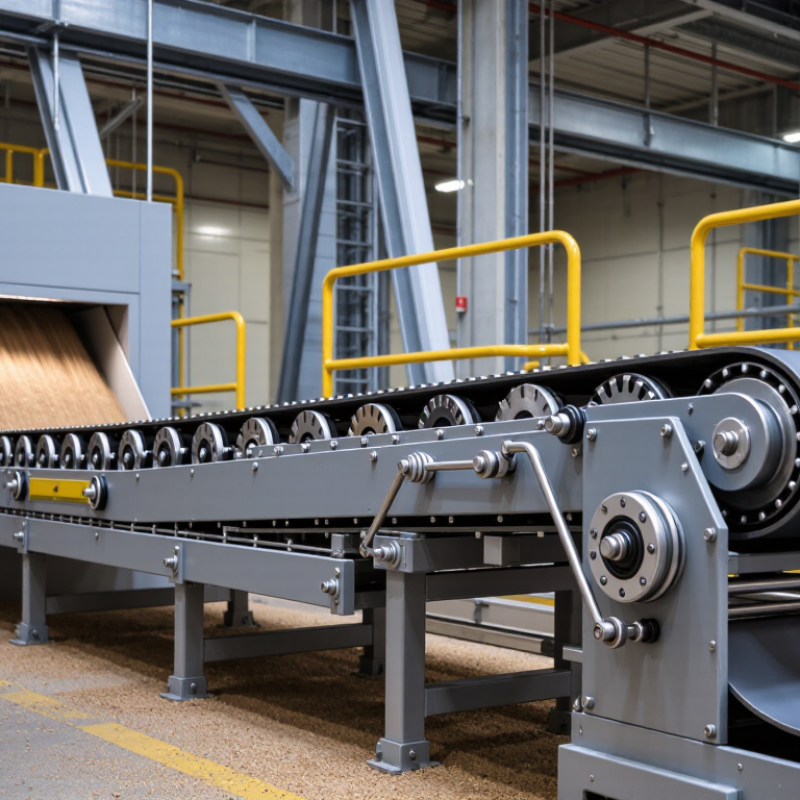
Table of Contents [Hide]
Understanding the Role and Types of Belt Cleaners
How to Choose the Best Belt Cleaner?
Understanding the Role and Types of Belt Cleaners
A belt cleaner removes carryback after material leaves the discharge point. Without it, wet fines can form a hard ridge beneath the return belt. That ridge may damage idlers, contaminate walkways, and increase cleanup work. CEMA’s Belt Conveyors for Bulk Materials, 7th Edition, treats spillage control as part of dependable conveyor design. The cleaner is not an accessory.
Primary cleaners sit near the head pulley and remove thick, sticky deposits. Secondary cleaners operate farther along the return path and capture finer residue. Rotary brush cleaners suit lighter, dry materials, while belt plows protect the return side from material falling onto the belt. Water-based systems can handle stubborn buildup, but they require drainage and corrosion planning. Small details matter. A 1,200-millimeter belt needs different tension control than a narrow transfer belt.
Selection should begin with material moisture, abrasiveness, belt speed, splice type, and available maintenance space. The U.S. Mine Safety and Health Administration’s 2023 data recorded 2,377 nonfatal lost-time mining injuries, reminding operators that access and maintenance conditions deserve serious attention. A cleaner that performs well but cannot be inspected safely is a poor choice. In practice, I would test the system through wet and dry shifts. Laboratory assumptions can disappoint. Even a well-designed cleaner may need adjustment after seasonal changes, and that is an uncomfortable but useful lesson.
Brands
Proudly Trusted by Top Suppliers Worldwide





Let us know and we will automate, together to fit your industrial needs.
 +91-97254 16844
Clients
Proudly Trusted by Top Companies Worldwide


Do you need Help? Get in touch.
X
Please fill out the form below and we will get back to you as soon as possible.