o
p
t
i
m
a
r
o
b
o
t
i
c
s

Make a Call


Make a Call
Blogs
How to Choose the Best Singing Bowl for Your Needs?
Choosing the best Singing Bowl begins with purpose, not appearance. Are you seeking meditation, gentle relaxation, sound practice, or professional therapeutic work? Each goal changes the useful criteria. A bowl may produce a deep, lingering tone, while another creates brighter overtones that feel sharper in a small room.
Market interest is growing, but evidence still needs careful interpretation. Grand View Research’s sound therapy market analysis forecasts continued expansion through 2030. However, the U.S. National Center for Complementary and Integrative Health notes that research on sound-based practices remains limited and varies in quality. A market forecast shows demand. It does not prove medical effectiveness. That distinction matters.
Peter Hess, founder of the Peter Hess Academy, has emphasized, “Sound is vibration, and vibration is life.” This idea explains why personal response matters when comparing bowls. Hold one near your chest. Strike it softly. Notice whether the vibration feels warm, distracting, or almost absent. Check the bowl’s diameter, weight, material, sustain, and playing method. Listen in the room where you will use it. Online recordings can misrepresent tone.
There is no perfect bowl for everyone. Handmade surfaces may contain small marks. That is not automatically a defect. Still, unclear alloy information, exaggerated healing claims, and missing return policies deserve caution. The best choice combines credible specifications with your own listening experience. Use this guide to compare sound, comfort, construction, and purpose before purchasing.
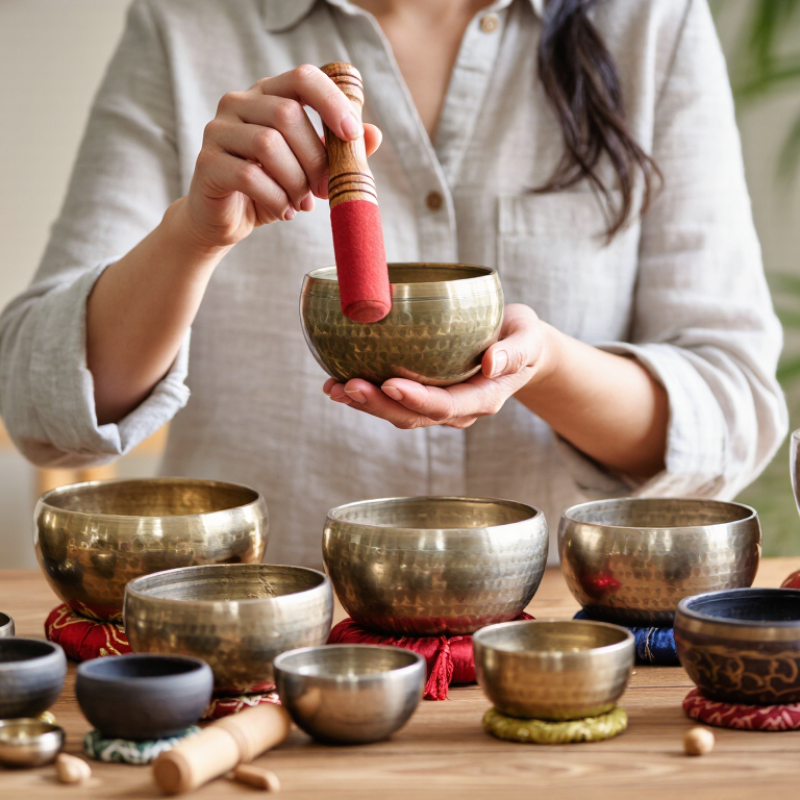
Table of Contents [Hide]
Define Your Purpose: Meditation, Sound Therapy, Yoga, or Ritual Use
When choosing the best singing bowl, let your purpose guide the decision. For meditation, seek a bowl with a clear, sustained tone that does not feel harsh. Sit near it and listen before buying. Notice your breathing. If the sound helps you settle, it may suit your practice. A louder bowl is not automatically better.
For sound therapy, selection requires more care. A trained practitioner may consider tone, volume, room size, and the listener’s comfort. Ask how the bowl performs at different distances. Avoid claims that promise medical results. Sound can support relaxation, but it should not replace professional healthcare.
I once preferred a bright, powerful tone, yet it became tiring after ten minutes. That experience changed my judgment.
In yoga, portability and gentle volume often matter more than complexity. A medium bowl can work beside a mat without overwhelming quiet instruction. For ritual use, consider the tradition, setting, and meaning behind the practice. Respectful handling matters. Keep the bowl clean and store it securely. Test it in the room where you will use it, because walls can alter the resonance. Keep simple notes about tone, comfort, and duration. My own testing is still imperfect; mood affects what I hear. That uncertainty deserves attention.
Brands
Proudly Trusted by Top Suppliers Worldwide




Let us know and we will automate, together to fit your industrial needs.
 +91-97254 16844
Clients
Proudly Trusted by Top Companies Worldwide


Do you need Help? Get in touch.
X
Please fill out the form below and we will get back to you as soon as possible.