o
p
t
i
m
a
r
o
b
o
t
i
c
s

Make a Call


Make a Call
Blogs
What Are Rack Accessories and How to Choose Them?
Choosing the right Rack Accessories can change a storage system from merely functional to genuinely efficient. Beam protectors, wire decking, pallet supports, row spacers, safety panels, and rack labels each solve different operational problems. A busy warehouse makes these differences visible. Forklifts turn sharply. Pallets vary in size. Dust collects on overlooked surfaces.
Dr. James A. Tompkins, a respected warehouse design authority, stated, “The warehouse is not just a building; it is a system.” That principle applies directly to Rack Accessories. Each component should support the rack, the product, the workers, and the movement pattern around them. A safety guard may reduce impact damage, while wire decking can improve pallet stability and visibility. However, adding every available accessory is not intelligent design. It can create unnecessary costs, restricted access, or compatibility problems.
Good selection begins with evidence from the site. Measure upright dimensions, beam profiles, pallet footprints, load weights, aisle widths, and environmental conditions. Check manufacturer specifications, installation requirements, and relevant safety guidance. A corrosion-resistant finish may suit a humid facility better than standard painted steel. Adjustable dividers may help small cartons, but they can slow picking when poorly positioned.
There is no universal accessory package. That is the uncomfortable part. A solution that works in one warehouse may fail in another. This guide examines what Rack Accessories do, how they interact with pallet racking, and which questions should shape a safer, more practical choice. Share your actual workflow with a qualified supplier or engineer. Small details matter.
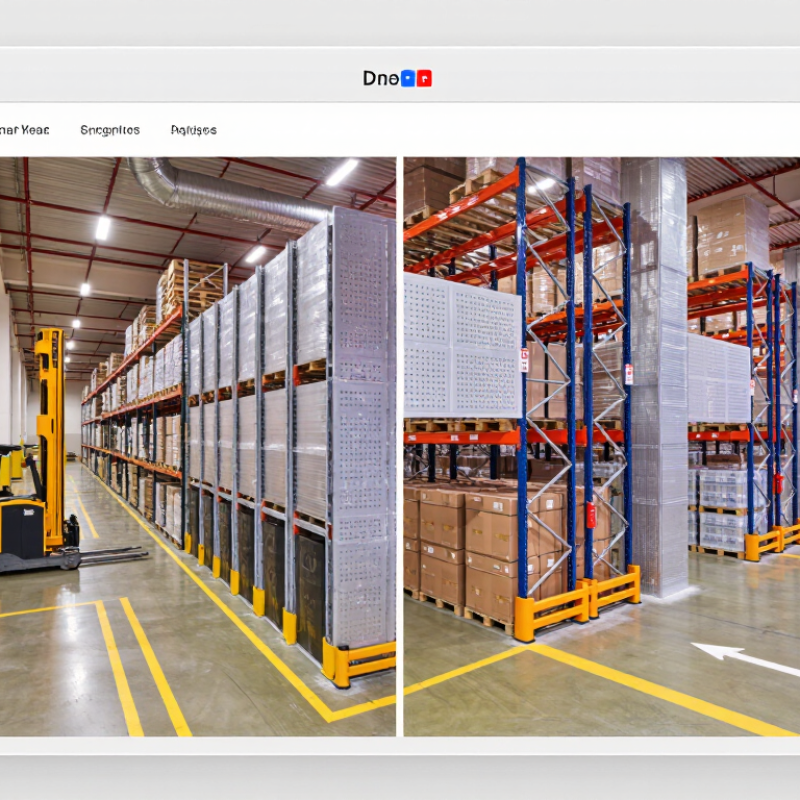
Table of Contents [Hide]
What Are Rack Accessories?
Rack accessories are the supporting parts that make a rack safer, more useful, and easier to manage. They can include shelves, dividers, bins, labels, back panels, side panels, locking doors, cable managers, mounting rails, and safety barriers. The right accessory depends on the rack’s purpose, load, dimensions, and working environment.
Fit comes first. Measure the rack’s width, depth, mounting points, and usable height before purchasing anything. A shelf may look suitable but fail if its brackets do not align with the frame. Check the weight rating, material, surface finish, and installation method. Steel accessories often suit heavy storage, while lighter plastic bins work well for small components. In humid areas, corrosion-resistant materials deserve attention.
Think about daily use. A warehouse rack may need labels, dividers, and protective guards. A technical rack may need cable trays, ventilation panels, and adjustable rails. Keep frequently handled items between waist and shoulder height. Leave enough clearance for doors, tools, and safe movement. That small detail matters.
I once focused too much on capacity and ignored access space. The rack held everything, yet reaching the rear items became frustrating. This is an easy mistake. Review the layout after installation, and change accessories when real work exposes weaknesses. Avoid forcing incompatible parts, even when the price seems attractive. Reliable accessories should fit securely, support the intended load, and remain practical over time.
Brands
Proudly Trusted by Top Suppliers Worldwide







Let us know and we will automate, together to fit your industrial needs.
 +91-97254 16844
Clients
Proudly Trusted by Top Companies Worldwide


Do you need Help? Get in touch.
X
Please fill out the form below and we will get back to you as soon as possible.