How to Implement Robotic Automation Solutions in Your Business
In today’s rapidly evolving business landscape, the adoption of robotic automation solutions is transforming industries. According to a recent report by MarketsandMarkets, the global robotic automation market is expected to reach USD 12.36 billion by 2026. This significant growth highlights the increasing reliance on technology to enhance operational efficiency.
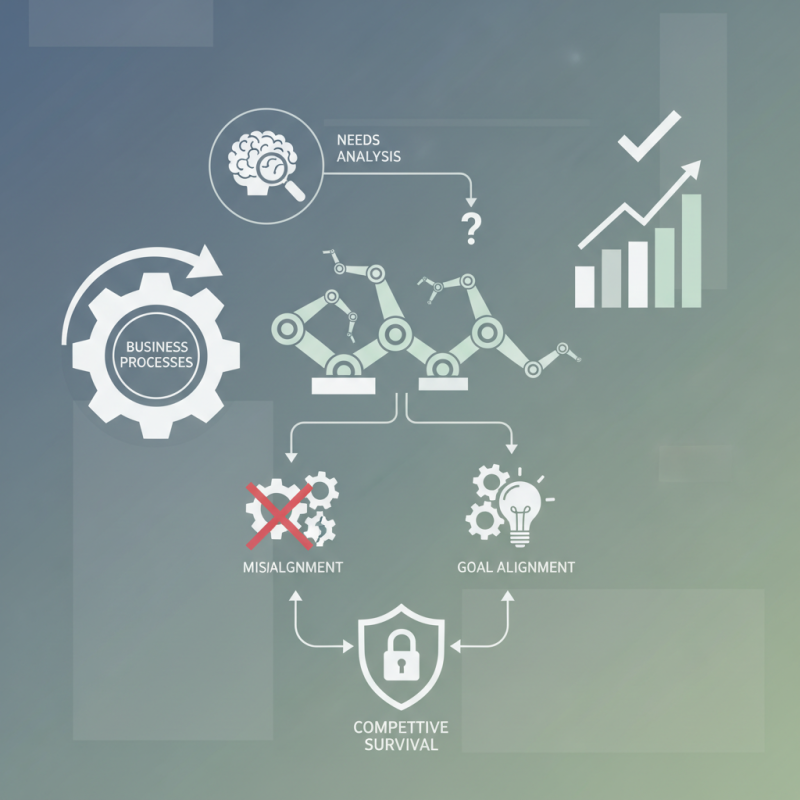
Experts in the field, like Dr. Emily Chang, assert, “Implementing robotic automation solutions is not just a trend; it’s a necessity for survival in competitive markets.” Businesses must consider their unique processes and challenges when integrating these technologies. Failing to analyze specific needs might lead to ineffective implementations that waste resources.
Robotic automation can drive significant results, yet some organizations struggle with adoption. Misalignment between technology and business goals often hinders success. It’s essential to approach these solutions critically, ensuring they genuinely add value. Embracing this opportunity requires cautious planning and a willingness to adapt in an ever-changing environment.
Understanding Robotic Automation: Key Concepts and Benefits
Robotic automation is reshaping industries, enhancing efficiency and productivity. According to a recent report by McKinsey, companies implementing robotic process automation (RPA) can achieve productivity gains as high as 30%. This technology automates repetitive tasks, allowing human workers to focus on higher-value activities. Understanding key concepts like software bots, intelligent automation, and workflow optimization is essential for successful integration.
Companies often struggle with the transition to automation. Resistance from employees can hinder progress. It's important to communicate the benefits clearly. Highlight how automation can free them from mundane tasks. This shift can lead to more engaging work. Training employees on new tools is also crucial. Ensure the workforce is comfortable with the technology.
Tips: Start with small projects. Measure their impact before scaling up. Gather feedback from team members regularly. Keep refining the processes as needed. Automation should evolve with your business needs. Regular reviews will help identify areas needing improvement. Don't overlook the human touch in your automation journey.
Implementation of Robotic Automation Solutions in Businesses
Assessing Business Processes for Automation Opportunities
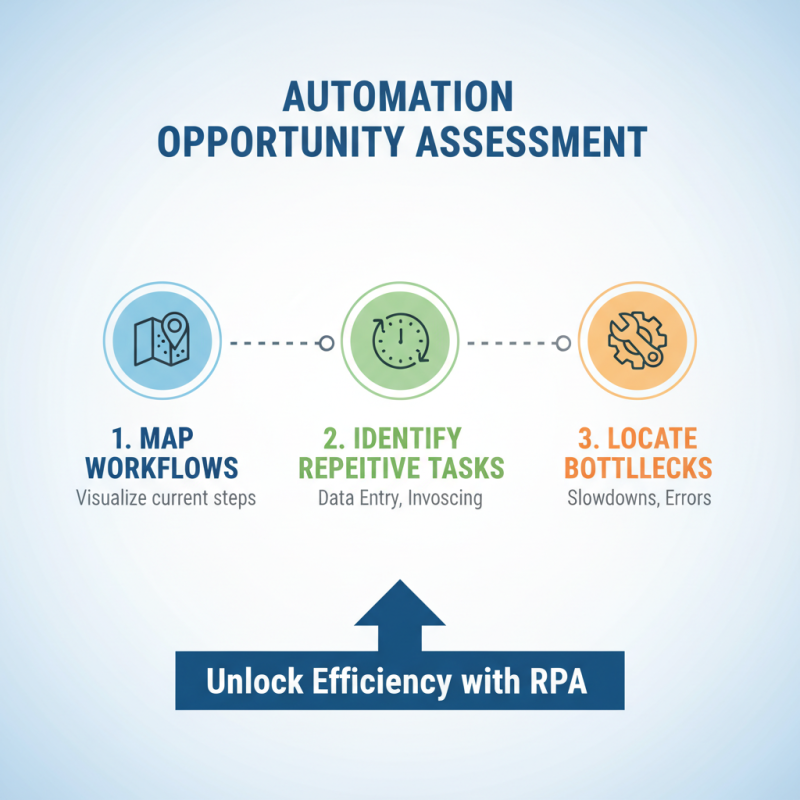
Assessing business processes for automation opportunities is crucial for any organization. Start by mapping out your existing workflows. Identify repetitive tasks that consume time and resources. For example, data entry and invoice processing are often ripe for automation. Look for bottlenecks that slow down operations. These pain points can often be resolved through robotic automation.
Engage your team in discussions about daily challenges. Insights from employees who handle tasks can reveal opportunities. They might mention tedious spreadsheets or mismatched databases that could benefit from automation. Analyze these processes critically. Not every task will be suitable for automation. Consider the cost versus the benefit. Sometimes, it’s not worth automating a process that will add complexity. Highlight the processes that will improve efficiency without introducing new difficulties.
After identifying potential tasks, conduct a trial run. Implementing automation solutions doesn’t mean you should rush. Start small. Measure the impact of changes. Gathering data will help you adjust and improve. Employee feedback is key in this phase. They may offer suggestions you haven't considered, pointing out pitfalls or advantages. Automation is an ongoing journey, not a one-time project. Continual assessment will further refine your processes and enhance productivity.
Selecting the Right Robotic Automation Tools and Technologies
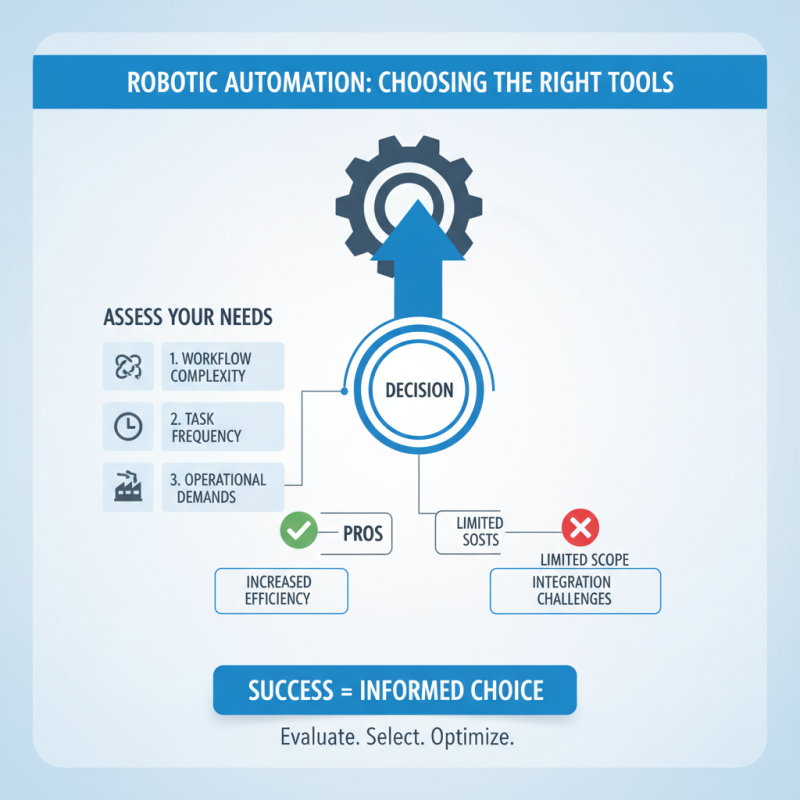
Choosing the right robotic automation tools is crucial for success. Businesses should assess their specific needs before making a decision. Factors like workflow complexity and task frequency matter. Some tools might excel in certain areas but fall short in others. Understanding the unique demands of your operations is essential.
Evaluation should include functionality and ease of use. User-friendly tools can accelerate implementation. Training costs can increase if staff struggle with complex systems. Look for solutions that offer flexibility. The ability to adapt to changing business needs is vital. Not every tool will fit seamlessly into your existing processes.
Additionally, consider long-term support and updates. Technology changes rapidly, and so do business needs. Research tools that offer ongoing maintenance. Budget constraints can limit options, but investing wisely pays off. Companies often reflect on their choices later. The right tool today may not suit needs tomorrow. This brings a continuous cycle of reevaluation.
Implementing automation solutions can transform your business operations. Start by identifying repetitive tasks. Focus on areas where human error is common. Gathering data is crucial. Analyze the time spent on these tasks. Are there opportunities for improvement?
Next, choose the right tools for your needs. Research options that fit your budget and skills. Be realistic about your team’s readiness for change. Not everyone will adapt easily to new technologies. A gradual approach might be necessary. Consider running pilot programs before a full rollout.
Training is key. Ensure your employees understand how to use new systems. Miscommunication can lead to mistakes, which can be frustrating. Reflect on areas where additional training may be needed. Automation should aid, not hinder, productivity. Monitor progress closely. Adjust strategies based on feedback.
How to Implement Robotic Automation Solutions in Your Business
Step
Description
Estimated Timeframe
Key Considerations
1
Identify areas for automation
1-2 weeks
Assess current processes and inefficiencies
2
Choose automation tools
2-4 weeks
Research based on business needs and future scalability
3
Develop an automation strategy
2-3 weeks
Align with organizational goals and employee input
4
Implement pilot programs
4-6 weeks
Test automation in a controlled environment
5
Collect feedback and analyze results
2 weeks
Identify improvements and success metrics
6
Scale up automation
Ongoing
Expand across other departments and processes
Measuring Success: Evaluating the Impact of Automation in Business
Measuring the success of robotic automation is crucial for any business. According to a recent report by McKinsey, companies implementing automation can realize productivity gains of 20% to 30%. Yet, not all projects yield the same results. Many companies still struggle with measuring the right metrics. It’s vital to focus on both financial and operational impacts.
Cost reductions are often reported, but other factors matter too. A study by Deloitte indicates that the employee experience improves by 50% when mundane tasks are automated. However, this does not mean all employees feel threatened by automation. Some worry about job security, which impacts morale. It’s essential to communicate openly and involve staff in the transition. Assessing employee sentiment is as significant as tracking financial metrics.
The roadmap to success isn't always clear. Companies may miss the mark by setting vague goals. A precise return on investment (ROI) measurement can help clarify success. Organizations should be ready to adapt their automation strategies based on feedback. A flexible approach often leads to better outcomes. Regular evaluation is necessary to identify what works and what doesn’t. Both qualitative and quantitative assessments provide a comprehensive view of automation’s impact.