o p t i m a r o b o t i c s

Blogs

How to Implement Robotics and Automation in Your Business?

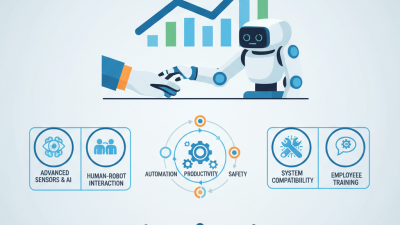
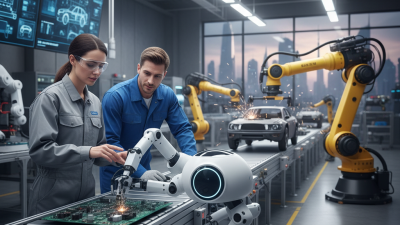
In today's competitive market, businesses increasingly turn to robotics and automation. Integrating these technologies can enhance efficiency, reduce costs, and improve accuracy. Dr. Emily Chen, a leading expert in robotics, stated, “The future of work is about collaboration between humans and machines.” This vision underlines the significant role of robotics and automation in modern business strategies.

However, implementing robotics and automation is not without challenges. Many organizations struggle with the upfront investment and training requirements. Some staff may resist change, fearing job loss. It's crucial to address these concerns and show how automation can complement human roles. For instance, automating repetitive tasks frees up employees to focus on more strategic work.

Moreover, businesses must evaluate their unique needs before adopting these technologies. Every industry has its specific dynamics, and automation solutions should align with those. Continuous learning and adaptation are vital. Embracing robotics and automation means committing to ongoing development. The journey can be complex, but the potential rewards are significant.

How to Implement Robotics and Automation in Your Business?

Understanding the Basics of Robotics and Automation for Businesses

Robotics and automation are transforming the business landscape. Companies are increasingly recognizing their potential to boost efficiency. A 2022 report from McKinsey reveals that automation could boost global productivity by 0.8 to 1.4 percent annually. This is significant for businesses looking to optimize operations.

Understanding the basics of robotics is essential. Robotics can handle repetitive tasks, which frees up human workers for more complex challenges. A survey by PwC showed that 45% of jobs could be automated, primarily in manufacturing and warehousing. However, it's important to approach implementation thoughtfully. Not every task is suited for automation.

Training employees for new roles is crucial. A lack of skills can lead to resistance. Companies should provide resources for upskilling. Misunderstandings about robotics can also arise. For instance, some may fear losing jobs, while the goal is to enhance productivity. Reflection on workforce dynamics is necessary for successful integration. This nuanced approach can lead to more harmonious outcomes.
Identifying Key Areas for Robotics and Automation Implementation

How to Implement Robotics and Automation in Your Business?

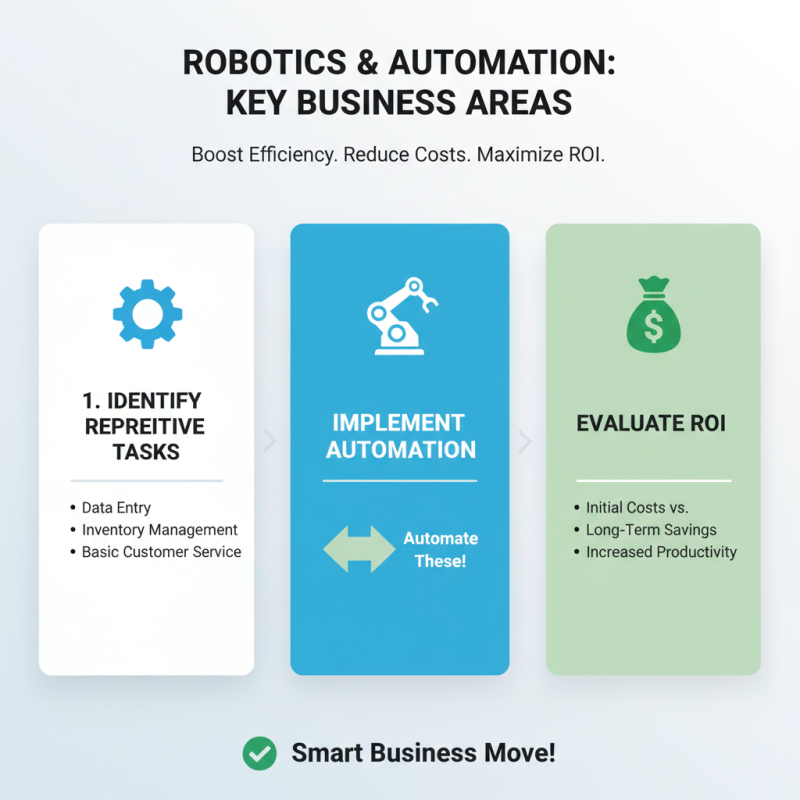
Identifying key areas for robotics and automation implementation is essential for any business. Start by assessing repetitive tasks in your workflow. These tasks often consume valuable time and resources. For instance, data entry, inventory management, and basic customer service are prime candidates. Automating them can boost efficiency significantly. Consider the potential return on investment. Will the initial costs be justified by long-term savings?

Next, evaluate your workforce capabilities. Some employees may resist automation due to fear of job loss. Engage them in discussions about how automation can enhance their roles, not replace them. It’s crucial to foster a culture of collaboration. Reflect on existing processes and highlight areas needing improvement. Sometimes, automation might not fit seamlessly. It may require adjustments or retraining.

Don’t overlook the importance of technology integration. Choosing the right tools can be tricky. Not every system will sync well with your current setup. Conduct thorough research and pilot programs before full-scale implementation. There may be bumps along the way. Adapting to new efficiencies can take time and patience. Evaluate progress continuously and adjust your approach as needed.

Selecting the Right Technologies and Tools for Your Business Needs

Selecting the right technologies for robotics and automation is crucial for any business aiming for efficiency. Many companies report significant gains with automation tools. According to a recent McKinsey report, businesses that adopt automated solutions can increase productivity by up to 40%. This jump often translates into substantial cost savings.

When exploring options, consider your specific needs. It's easy to get lost in a sea of choices. Start with a clear understanding of your workflow challenges. For instance, if repetitive tasks consume time, robotic process automation could help. However, not all tasks are suitable for automation. Some require human judgment and creativity, which technology cannot replicate.

Take heed of industry data. A Gartner survey shows 43% of companies say they lack the right skills for implementation. This gap can hinder progress. Invest in training your team to use new tools effectively. Align technology choices with your business goals. Monitor the outcomes closely. Adjust your strategies when necessary. Not all implementations will succeed, and learning from setbacks can lead to better results.

Implementation of Robotics and Automation in Business

Developing a Strategic Plan for Integration and Deployment

How to Implement Robotics and Automation in Your Business?

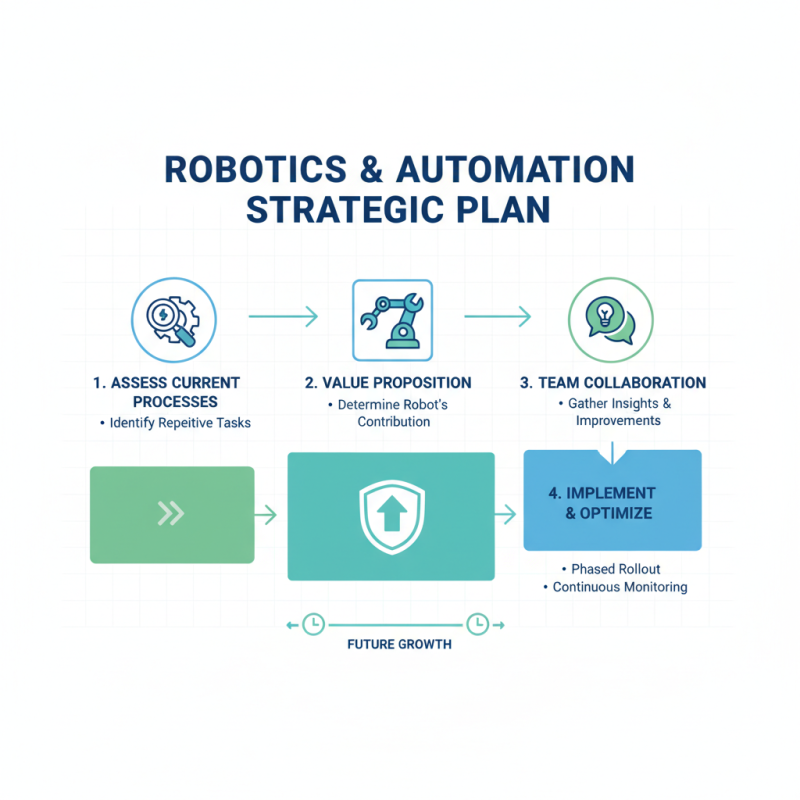
Developing a strategic plan for integrating robotics and automation requires careful consideration. Start by assessing current processes. Identify repetitive tasks that could benefit from automation. This helps in understanding where robots can add value. Engage with your team to gather insights. Their experience can highlight areas that need improvement.

Set clear objectives. Define what success looks like. Is it cost reduction, increased efficiency, or error minimization? These goals guide the integration process. Consider potential challenges. Not all employees may welcome this change. Address their concerns early. Training sessions can ease transitions and include hands-on practice.

Piloting automation in a small section of your business allows for adjustments. Review the results critically. Are the robots performing as expected? Gather feedback from users and tweak the systems. It’s all about refining the process. Embrace the lessons learned along the way. Adjust your strategy as needed. This reflective approach fosters growth and innovation.

Training Staff and Managing Change for Successful Adoption

Implementing robotics and automation requires careful attention to staff training. Employees may feel anxious about new technology. Many fear job loss or a lack of skills. It's essential to address these concerns directly. Clear communication about automation’s benefits can help.

Investing time in training programs is crucial. Tailored workshops can ease the transition. Interactive sessions allow employees to engage hands-on with new tools. Mentorship programs may foster a supportive culture. Experienced staff can help guide peers through the change. It's important to gather feedback throughout this process.

Managing change is not just about technology. It involves understanding employee sentiments. Encourage open dialogue to ensure they feel valued. Acknowledge that some may struggle with the shift. This can lead to resistance. It's vital to recognize these feelings and adapt training accordingly. Adjusting strategies based on real experiences can significantly enhance the adoption process. The journey to automation is complex, but with proper support, it can become successful.

Brands

Proudly Trusted by Top Suppliers Worldwide

Let us know and we will automate, together to fit your industrial needs.

Clients

Proudly Trusted by Top Companies Worldwide

Do you need Help? Get in touch.

X

Please fill out the form below and we will get back to you as soon as possible.

    Subscribe our newsletter & get updates