o
p
t
i
m
a
r
o
b
o
t
i
c
s

Make a Call


Make a Call
Blogs
Top Belt Conveyor Roller Manufacturers Worldwide
Choosing reliable Belt Conveyor Roller Manufacturers requires more than comparing prices or browsing polished product pages. A conveyor roller may look simple, yet its diameter, bearing design, shell thickness, and sealing system affect an entire material-handling line. In mining, ports, warehouses, and aggregate plants, small roller failures can create loud vibration, belt misalignment, and costly downtime. The best manufacturers understand these working conditions through engineering experience and consistent field testing.
This guide examines leading manufacturers worldwide through practical criteria. We consider product quality, manufacturing capacity, technical documentation, customization, delivery reliability, and after-sales support. Materials matter. A painted steel roller may suit a dry warehouse, while galvanized or stainless steel can better resist moisture and corrosion. Bearing protection is equally important when dust enters every exposed gap. Not every supplier publishes enough test data, however. That limitation deserves attention.
Real performance depends on more than brand reputation. Roller runout, balancing accuracy, load rating, and maintenance access should match the conveyor’s speed and duty cycle. Ask for measurable specifications. Request samples when possible. A clean factory tour can also reveal production discipline, inspection routines, and storage practices. Still, even respected manufacturers may have regional weaknesses or inconsistent communication. This overview aims to provide a balanced starting point for procurement teams, engineers, and distributors. It highlights proven capabilities while acknowledging uncertainty, because dependable conveyor decisions require evidence, not attractive claims.
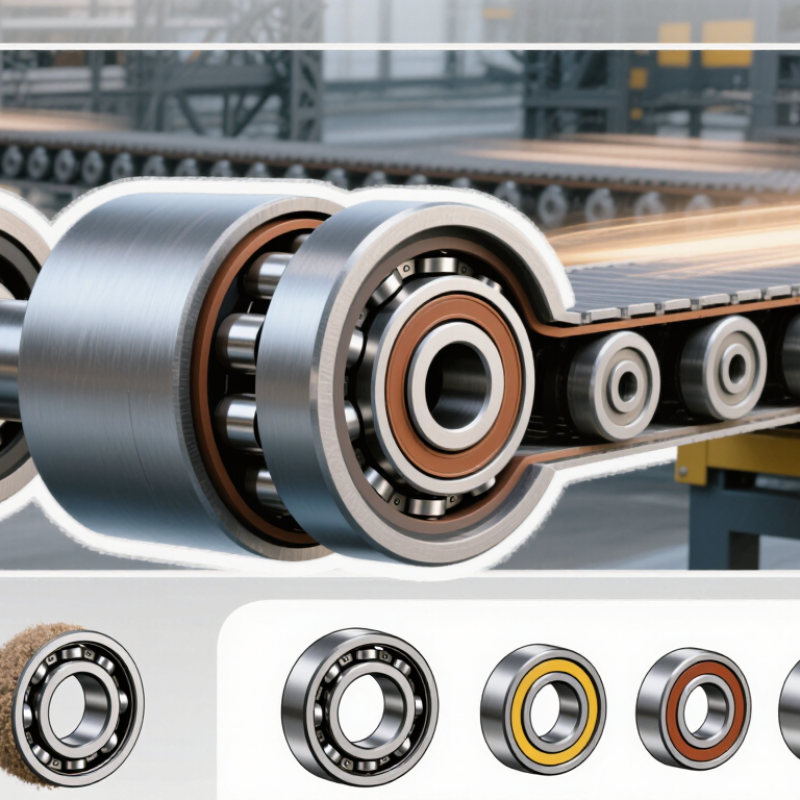
Table of Contents [Hide]
Belt Conveyor Rollers: Types, Components, and Operating Principles
Belt Conveyor Rollers: Types, Components, and Operating Principles
Belt conveyor rollers support the belt, cargo, and return run. Carrying rollers usually sit in three-roller or five-roller idler sets. Impact rollers use rubber discs beneath loading zones. Return rollers support the empty belt underneath. Self-aligning rollers help correct tracking, but they cannot repair poor installation. The main components include a steel or polymer shell, shaft, bearings, seals, and mounting brackets. Each part affects resistance, noise, and service life. Grand View Research valued the global conveyor belt market at about USD 5.8 billion in 2023, showing the scale of equipment demand across mining, logistics, and manufacturing.
The operating principle is simple. A motor turns the drive pulley, and friction moves the belt over rotating rollers. Correct roller spacing reduces sag and limits belt tension. CEMA conveyor design guidance links roller selection with belt load, speed, material density, and trough angle. ISO 1537 also addresses conveyor construction and safety-related design considerations. Still, field conditions are rarely perfect. Dust enters seals. Wet material accelerates corrosion. A roller may look sound while its bearing quietly overheats.
Tips: Measure belt speed, load, and ambient temperature before selecting rollers. Check bearing noise during a shutdown inspection. Keep spare seals available. Polymer rollers can reduce weight, but their temperature limits need verification. Never assume a larger roller is automatically better. A small alignment error can produce a large tracking problem. Review inspection records, not only purchase specifications.
Brands
Proudly Trusted by Top Suppliers Worldwide







Let us know and we will automate, together to fit your industrial needs.
 +91-97254 16844
Clients
Proudly Trusted by Top Companies Worldwide


Do you need Help? Get in touch.
X
Please fill out the form below and we will get back to you as soon as possible.