What is a Robot Machine and How Does It Work?
In recent years, the term "robot machine" has become increasingly prominent in industrial and technological discussions. According to a report by MarketsandMarkets, the global robotics market is projected to reach $118.6 billion by 2025, driven by advancements in automation and artificial intelligence. These machines promise efficiency and precision, significantly reshaping various sectors, especially manufacturing.
The functionality of robot machines lies in their ability to perform tasks autonomously or with minimal human intervention. They leverage sensors and algorithms to navigate complex environments, making them valuable in sectors like logistics and healthcare. However, implementing these machines is not without challenges. Issues such as high initial costs and the need for skilled operators often arise.
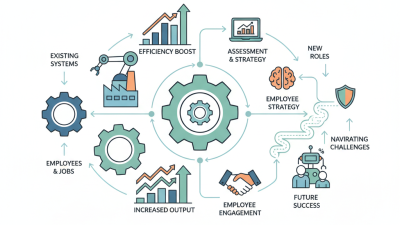
Despite their advantages, the deployment of robot machines invites reflection on workforce implications. Many fear job displacement, raising ethical concerns. Balancing automation with human employment remains a crucial topic in industry discussions. Understanding what a robot machine is and how it works may help address these issues.
What is a Robot Machine?
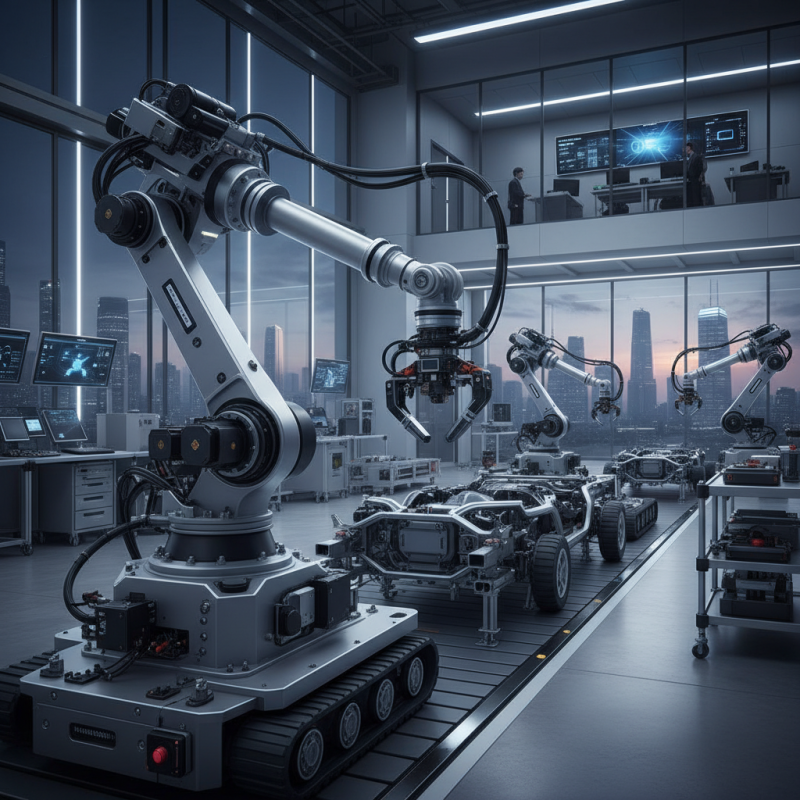
A robot machine is an automated device that performs tasks based on pre-programmed instructions. These machines can range from simple systems, like robotic arms in factories, to sophisticated humanoid robots that can interact with humans. The core component of any robot is its controller, which processes data and directs the robot's actions.
Understanding how robot machines function requires knowledge of several key components. Sensors help robots gather information from their environment. Motors and actuators enable movement and perform tasks. Machine learning algorithms are increasingly used, allowing robots to improve performance over time.
**Tip:** When developing or working with robot machines, stay updated with the latest technologies. Continuous learning is essential in this rapidly evolving field.
Sometimes, robots may not operate exactly as expected. Programming errors or unexpected environmental changes can lead to failures. It's crucial to regularly test and refine programming to ensure reliability.
**Tip:** Analyze and document any failures or malfunctions. This practice promotes a better understanding of robotic systems and enhances troubleshooting skills. Embrace imperfection as an opportunity for growth in robot development.
Robot Machines by Type and Their Popularity
Key Components of a Robot Machine
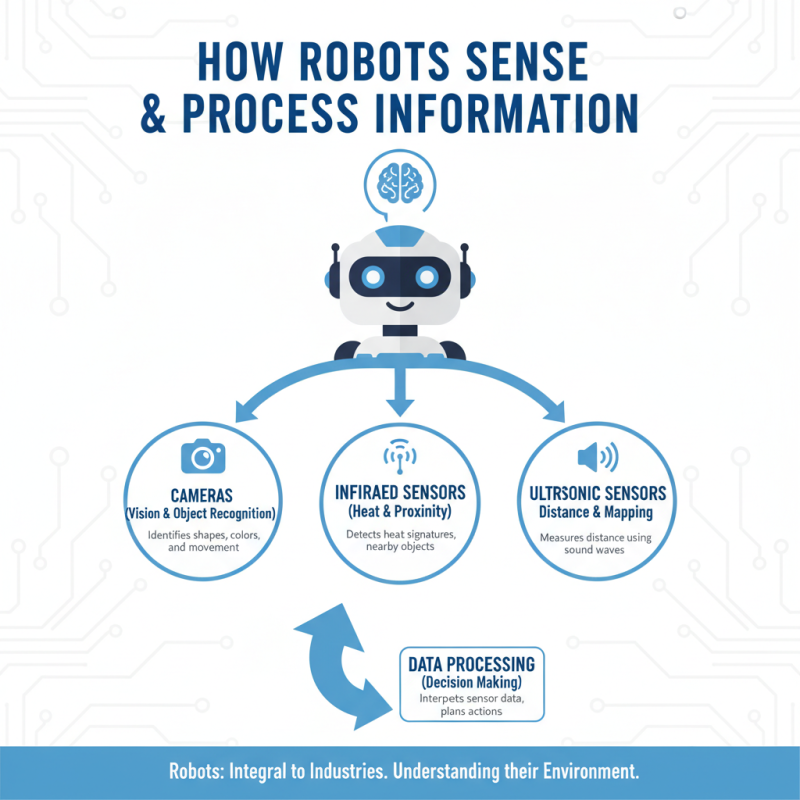
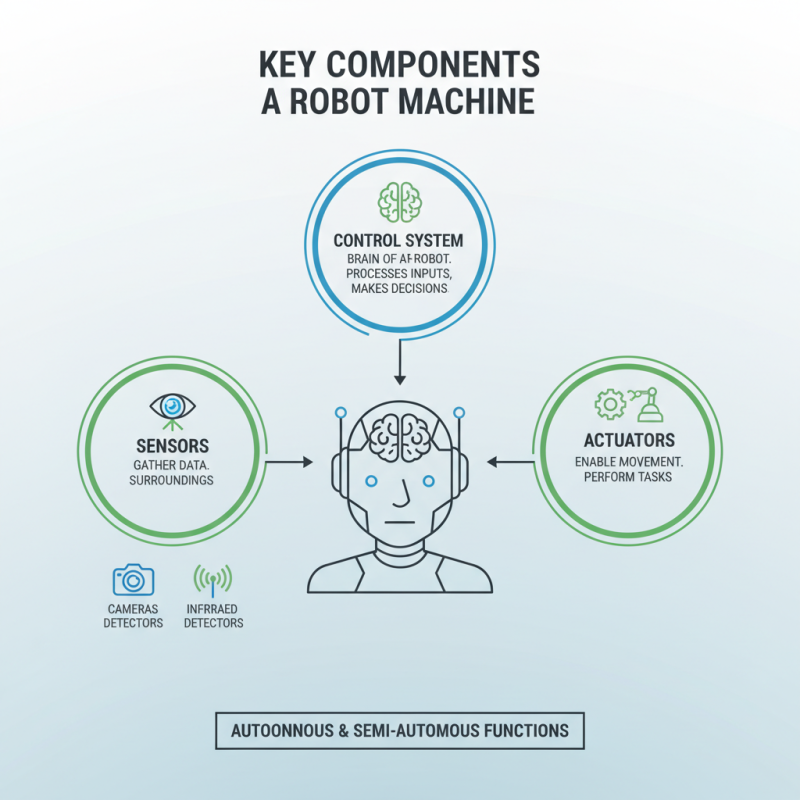
Robot machines are complex systems that integrate various components to perform tasks autonomously or semi-autonomously. At the heart of a robot is its control system. This system serves as the brain, processing inputs from sensors and making decisions. Sensors like cameras and infrared detectors help robots understand their surroundings. They gather essential data, allowing the robot to navigate environments effectively.
Actuators are another critical component. These are the muscles of the robot, converting electrical signals into physical movement. They can be motors or hydraulics, depending on the robot's needed strength and precision. Additionally, a power supply is necessary to keep a robot operational. This can come from batteries or electrical outlets, depending on the design.
While these components work together seamlessly, challenges remain. Achieving accurate sensor readings can be tricky. Interference or environmental changes can mislead robots. Moreover, ensuring that actuators respond precisely can be complex. Minor miscalculations can lead to errors in task execution. Researchers continuously seek to improve these elements, making robots smarter and more reliable.
How Robots Sense and Process Information
Robots have become integral to many industries, thanks to their ability to sense and process information. The functioning of robots relies on various sensors. These sensors include cameras, infrared sensors, and ultrasonic sensors. Each type of sensor plays a vital role in how robots understand their environment.
For instance, cameras allow robots to see and recognize objects. Vision processing involves complex algorithms to interpret images effectively. This capability empowers robots to avoid obstacles and identify targets. Infrared sensors, on the other hand, help robots gauge distance. They emit infrared light and measure the time taken for the light to bounce back. This is crucial for navigation tasks.
Tip: When working with robots, ensure that the sensors are clean and unobstructed. Poor sensor visibility can lead to errors in navigation or object recognition.
Additionally, robots depend on algorithms to process data. These algorithms analyze the information gathered from sensors. The processed data dictates the robot’s actions, allowing it to respond promptly. However, algorithms are not always perfect. They can misinterpret data or fail to react accurately under certain conditions. Continuous refinement of these algorithms is essential.
Tip: Regularly test and update your robot's software. This practice can help improve performance and reduce errors over time.
Types of Robot Machines and Their Applications
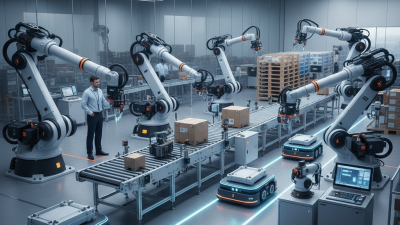
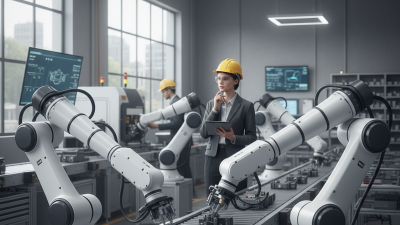
Robot machines have evolved into essential tools in various industries. There are several distinct types, each designed for specific tasks. Industrial robots focus on manufacturing. They are often employed in assembly lines, welding, and painting. Collaborative robots, or cobots, work alongside human workers. They enhance productivity without replacing the human touch.
Service robots serve different sectors. In healthcare, they assist with surgeries or patient care. In retail, they help manage inventories or provide customer service. Agricultural robots play a critical role in modern farming. They handle planting, watering, and harvesting. Each of these types addresses unique challenges while improving efficiency.
Despite advancements, challenges remain. For instance, robots are not infallible. They may require constant updates and maintenance. Understanding their limitations is crucial. Training personnel to work with these machines is a growing need. As technology progresses, it may reshape job landscapes, requiring ongoing adaptation. This brings complexity to an otherwise promising future in robotics.
What is a Robot Machine and How Does It Work? - Types of Robot Machines and Their Applications
| Type of Robot Machine |
Description |
Common Applications |
Advantages |
| Industrial Robots |
Automated machines used for manufacturing, welding, and assembly. |
Assembly lines, automotive manufacturing, electronics. |
Increased efficiency, precision, and safety. |
| Service Robots |
Assist in tasks such as cleaning, delivery, and customer service. |
Hospitals, hotels, and offices. |
Improved service quality and reduced labor costs. |
| Medical Robots |
Perform surgeries and assist in medical procedures. |
Robotic surgery, rehabilitation. |
Enhanced precision and reduced recovery times. |
| Agricultural Robots |
Automate farming tasks such as planting, harvesting, and monitoring crops. |
Crop management, harvesting, spraying pesticides. |
Greater yield efficiency and reduced labor needs. |
| Exploration Robots |
Designed for exploration in hazardous or unreachable areas. |
Space exploration, underwater surveying. |
Ability to gather data from extreme environments. |
The Future of Robot Machines in Society
The future of robot machines holds immense promise for society. Predictions suggest that the global robotics market could reach $210 billion by 2025. As automation expands, robots will likely take on more diverse roles in industries such as manufacturing, healthcare, and agriculture. For instance, collaborative robots, or cobots, are designed to work alongside humans, enhancing productivity and improving safety.
In healthcare, robots could assist in surgeries, provide companionship to the elderly, and aid in rehabilitation. A report from the International Federation of Robotics indicated a 25% annual growth in medical robotics. This growth reflects a shift toward integrating robots into daily life, potentially elevating quality of care but also raising ethical concerns. The reliability of robotic systems must be balanced with their limitations, such as dependency on technology and job displacement.
Meanwhile, in agriculture, autonomous farming equipment improves efficiency. Data from the Food and Agriculture Organization shows that robots can reduce labor costs by up to 70% in crop management. However, there's a challenge: as machines increase efficiency, the need for human oversight remains significant. The interaction between humans and robots should be carefully managed to ensure that technology augments rather than replaces human roles. Such considerations are crucial as we embrace an automated future.