What is a small robotic arm and how does it work?
The small robotic arm has transformed various industries. Its precision and versatility make it essential in manufacturing, healthcare, and research. According to a recent market report by Transparency Market Research, the small robotic arm market is projected to reach $2.8 billion by 2025, growing at a CAGR of 12.3%. This growth highlights its increasing importance in automation.
Dr. Laura Chen, a noted expert in robotics, stated, "The small robotic arm is a game changer for tasks requiring accuracy and endurance." This statement reflects the arm's ability to perform repetitive tasks with high precision. However, implementing this technology raises questions about job displacement and the need for skilled workers to operate sophisticated robotic systems.
While many businesses benefit from small robotic arms, challenges remain. The initial investment may deter some companies. Further, as robotics evolves, ethical considerations must be addressed. Balancing innovation with responsibility is crucial. The technology is promising, but it requires ongoing reflection to harness its full potential.

What is a Small Robotic Arm?
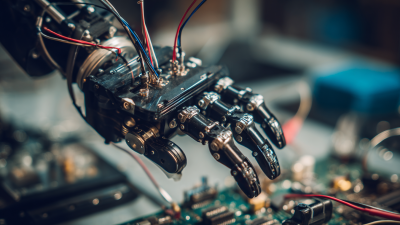
A small robotic arm is a compact, mechanical device designed to mimic the motions of a human arm. These arms usually have multiple joints, allowing for various movements. They can grasp, rotate, and manipulate objects with precision. Typically, they are powered by electric motors or servos. The design allows for intricate tasks that require dexterity, such as assembling parts or painting models.
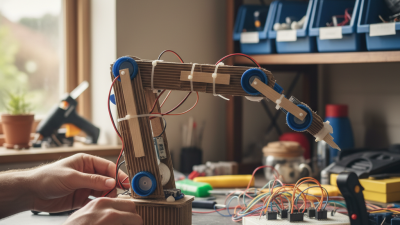
Often, small robotic arms are used in educational settings and hobby projects. They serve as tools for learning about robotics and programming. Many enthusiasts appreciate how these arms can be customized. However, achieving smooth, accurate movements can be challenging. Users may struggle with calibration. Even minor errors in programming can lead to unexpected behaviors. Each project can teach valuable lessons about trial and error in robotics.
Moreover, small robotic arms find applications in industries like electronics and healthcare. The versatility is incredible, yet they are not perfect. Sometimes they lack the strength for heavy-lifting tasks. Limited reach and payload capacity can hinder their usability. These shortcomings remind designers that there is always room for improvement in technology. With creativity, the potential of small robotic arms remains vast and uncharted.
Key Components of a Small Robotic Arm
A small robotic arm is a versatile tool used in various applications, from assembly to education. Understanding its key components helps to grasp its functionality. These arms typically consist of several crucial elements.
The base supports the entire structure. It provides stability during operation. The joints allow for movement and are often powered by servos or stepper motors. Each joint provides different degrees of freedom, enabling the arm to perform complex tasks. The end effector is the part that interacts with objects. It can be a gripper, tool, or sensor, depending on the task at hand.
Control systems are essential for operation. They process commands and translate them into movements. Many small robotic arms utilize microcontrollers for this purpose. Programming often involves trial and error. Sometimes, sensors are embedded for feedback, enhancing precision. Furthermore, power supply plays a critical role in ensuring smooth operation. Inadequate power can lead to erratic movements and performance issues. Working with robotic arms challenges one's problem-solving abilities, as adjustments are often necessary for better outcomes.
How Small Robotic Arms Operate: Mechanisms and Technology
Small robotic arms are becoming increasingly popular in various fields. They are compact machines designed to perform tasks with precision. These arms can mimic human movement, giving them versatility in many applications. They often consist of joints and segments, which allow them to reach various angles and positions.
The operation of small robotic arms relies on a specific set of mechanisms. Typically, they use servo motors or stepper motors for movement. These motors convert electrical energy into mechanical motion, enabling the arm to lift and position objects accurately. Sensors play a crucial role, too. They provide feedback to the arm, ensuring it can adapt to different situations. This interaction is vital for achieving desired outcomes.
Yet, challenges exist in fine-tuning these robotic arms. Programming them effectively can be complex. Sometimes, they may not respond as expected. Understanding their limitations is essential. For instance, a lack of force sensitivity can lead to mishaps. Developing reliable software is another hurdle. Therefore, ongoing testing and adjustments are important for success.
What is a small robotic arm and how does it work? - How Small Robotic Arms Operate: Mechanisms and Technology
| Dimension |
Description |
Mechanism/Technology |
Application |
| Payload Capacity |
Maximum weight the arm can lift |
Electric motors |
Assembly tasks |
| Reach |
Distance the end effector can extend |
Articulated joints |
Manufacturing |
| Degrees of Freedom |
Number of independent movements |
Servo motors and gears |
Medical applications |
| Control System |
Method of operation |
Microcontrollers and software |
Research and development |
| End Effector |
Tool attached to the arm |
Grippers or specialized tools |
Pick and place operations |
Applications of Small Robotic Arms in Various Industries
Small robotic arms have become essential tools in various industries. They provide precision and speed that human hands often cannot match. In manufacturing, these arms are used for assembly lines. Tasks like soldering, welding, and painting are automated. This reduces human error and increases efficiency. Yet, they still lack the fine touch some tasks require.
In healthcare, small robotic arms assist in surgeries. They enable doctors to perform delicate procedures with heightened accuracy. These robots can hold instruments steady, reducing tremors that can occur with human hands. Despite their advanced technology, they sometimes struggle in unpredictable scenarios. Flexibility remains a challenge.
The assembly industry also benefits from robotic arms. They handle repetitive tasks like sorting and packing products. This leads to faster production rates. However, the robots need regular maintenance and updates. Sometimes, outdated models can hinder progress. Industries must remain vigilant about technological advancements to fully leverage their potential.
Applications of Small Robotic Arms in Various Industries
Future Trends in Small Robotic Arm Development
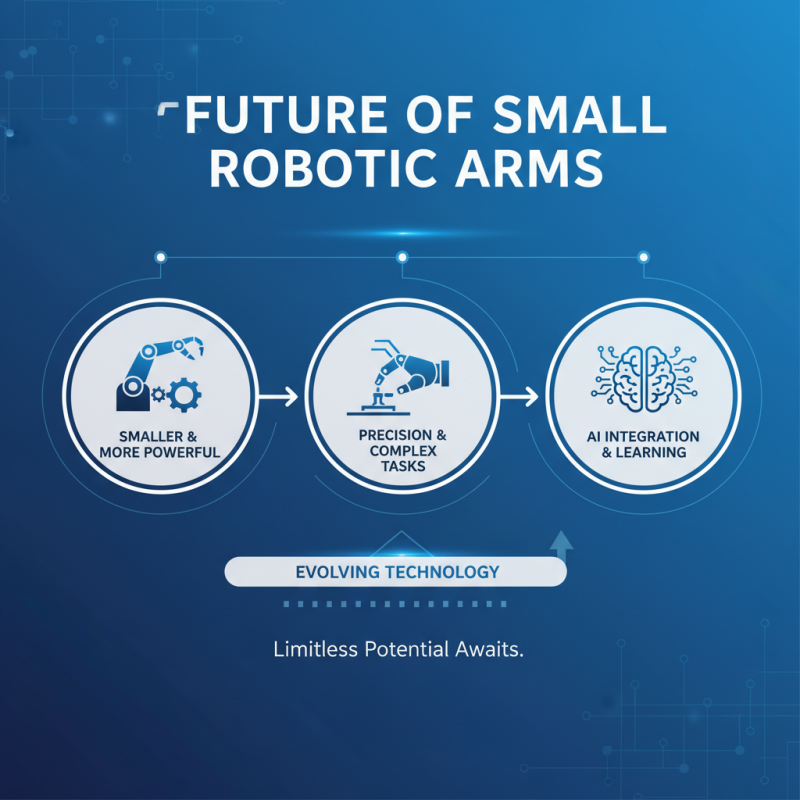
The future of small robotic arms is filled with potential. As technology evolves, these devices are becoming more sophisticated. They will be smaller, yet more powerful. This allows them to perform complex tasks with precision. We can expect greater integration with AI. This means they will learn from their environments.
More industries are likely to adopt these tools. From healthcare to manufacturing, the applications are vast. In medicine, robotic arms could assist in surgeries. In factories, they could handle repetitive tasks more efficiently. However, there are challenges to overcome. Safety is a significant concern. Ensuring they operate safely around humans is crucial.
Developers must also address cost issues. High-quality robotic arms can be expensive to produce. Making them more affordable is vital for wider adoption. Additionally, the technology must be user-friendly. Many potential users may lack technical skills. Striking a balance between complexity and usability will be essential. As we advance, the journey of small robotic arms is just beginning, with exciting possibilities ahead.