o
p
t
i
m
a
r
o
b
o
t
i
c
s

Make a Call


Make a Call
Blogs
7 Tips for Buying Ti-6Al-4V Grade 5 Titanium Bar
Buying a Ti-6Al-4V (Grade 5) Titanium Bar is not just a matter of comparing prices. The alloy is valued for its strength-to-weight ratio, corrosion resistance, and performance in demanding applications. Yet those benefits depend on choosing material that suits the job. A bar for a machined aerospace component may have different requirements from one used in a marine fitting or medical equipment.
Start with the details. Confirm the alloy designation, requested dimensions, product form, and applicable material documentation. Ask the supplier how the bar’s chemistry and mechanical properties are verified, and whether inspection records can be provided. Check tolerances, surface condition, and the cutting allowance you may need. A small mismatch in diameter can mean extra machining, wasted stock, or delays. Not every supplier describes these details in the same way.
This guide presents seven practical tips for evaluating suppliers and material before placing an order. It covers specifications, traceability, testing, condition, machining needs, supplier experience, and total cost. These checks can make a purchase more predictable, but they cannot replace engineering review. Requirements vary. If a specification is unclear, pause and confirm it with your materials engineer or end user. That extra conversation may feel slow, but it is usually cheaper than discovering a problem after the bar has been cut.
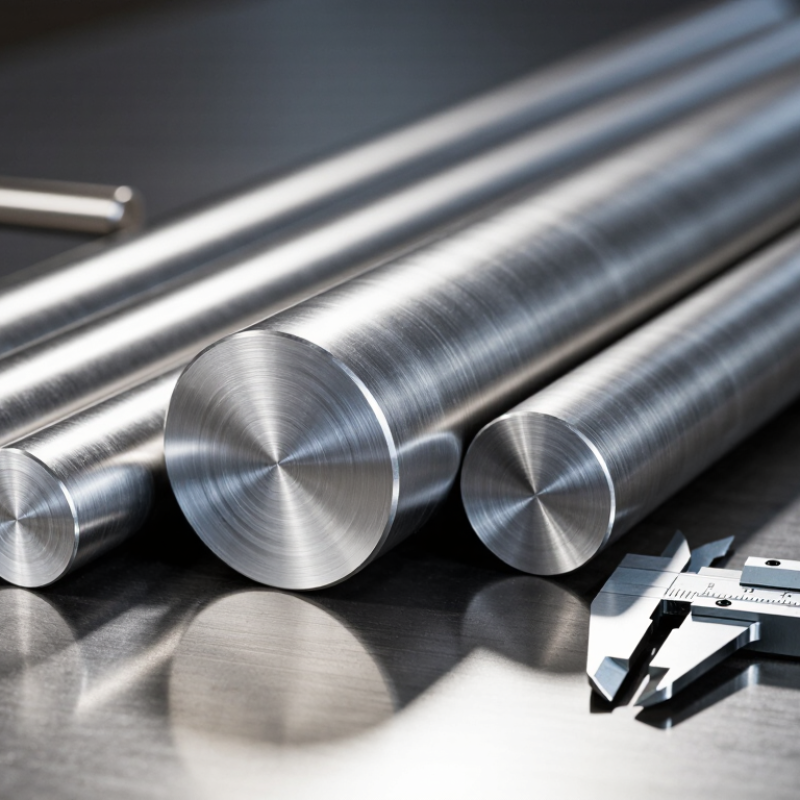
Table of Contents [Hide]
Understand the Composition and Properties of Ti-6Al-4V Grade 5
Ti-6Al-4V Grade 5 is an alpha-beta titanium alloy. Its nominal composition is about 6% aluminum, 4% vanadium, with titanium making up most of the remainder. Aluminum helps stabilize the alpha phase, while vanadium supports the beta phase. The balance between them gives the alloy a useful combination of strength and formability. Small composition variations can occur within applicable specifications, so confirm the material certificate rather than relying on the grade name alone.
Grade 5 is valued for its high strength-to-weight ratio and resistance to corrosion in many environments. Its density is about 4.43 grams per cubic centimeter, noticeably lower than steel. A cut bar feels substantial, but it is lighter than a similarly sized steel bar. Mechanical properties depend on product form, heat treatment, and testing requirements. Check the supplier’s stated condition and minimum values. A single headline strength figure can be misleading.
It is not effortless to machine. Titanium’s low thermal conductivity concentrates heat near the cutting edge, so tooling and feed conditions matter. The alloy can also gall during contact with other surfaces. That detail is easy to overlook. For a purchase, match the bar’s diameter, tolerance, surface condition, and certification to the intended part. Composition matters, but it does not tell the whole story.
Brands
Proudly Trusted by Top Suppliers Worldwide







Let us know and we will automate, together to fit your industrial needs.
 +91-97254 16844
Clients
Proudly Trusted by Top Companies Worldwide


Do you need Help? Get in touch.
X
Please fill out the form below and we will get back to you as soon as possible.