o
p
t
i
m
a
r
o
b
o
t
i
c
s

Make a Call


Make a Call
Blogs
7 Tips for Choosing a Shuttle Rotomolding Machine?
Choosing the right Shuttle Rotomolding Machine can shape your production quality, energy use, and long-term operating costs. A machine may look impressive on a factory floor, yet still fail under daily production pressure. The real test appears during mold changes, uneven heating, cooling delays, and repeated night shifts.
Rotational molding expert Glenn Beall has often emphasized, “Control is the heart of rotational molding.” That idea deserves attention. A reliable machine should provide stable temperature control, accurate arm movement, practical loading access, and consistent cycle data. It should also match your product size, resin type, mold weight, and expected output. Bigger is not always better. Sometimes, it is simply more expensive.
This guide presents seven practical tips for choosing a Shuttle Rotomolding Machine. We will examine heating systems, cooling performance, automation, arm configuration, safety features, maintenance access, and supplier support. Look closely at the details. Can operators reach the burner safely? Are sensors protected from dust and impact? Does the control panel show useful information, or only complicated numbers? These questions matter.
A small weakness can become a costly production habit. I have seen equipment decisions focus too heavily on purchase price. That approach feels efficient at first. It may not remain so. A thoughtful comparison should include installation, training, spare parts, energy consumption, and future product changes. Even experienced buyers can overlook one factor. That is why a careful, practical review remains necessary before selecting a Shuttle Rotomolding Machine.
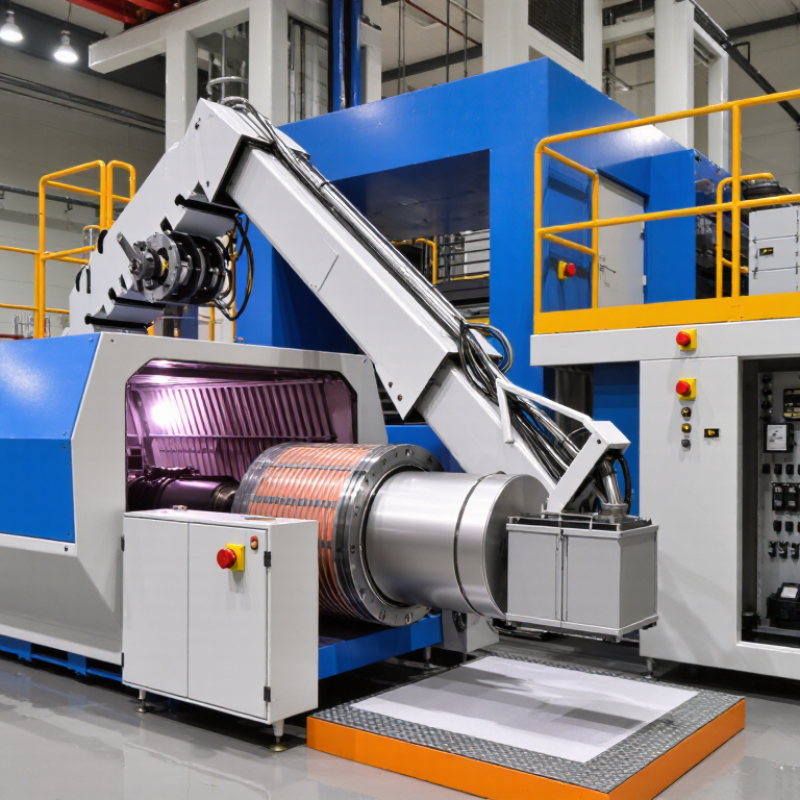
Table of Contents [Hide]
Understand the Basics of Shuttle Rotomolding Machines
7 Tips for Choosing a Shuttle Rotomolding Machine
A shuttle rotomolding machine moves molds between heating and cooling stations. Its basic cycle includes loading, heating, rotation, cooling, and unloading. Understanding this sequence prevents expensive buying mistakes.
A larger oven is not automatically better. Match the oven envelope to your mold dimensions, part weight, and expected production volume. Check shuttle travel, arm clearance, and maximum mold load before comparing prices.
The Plastics Industry Association identifies rotational molding as a flexible process for producing hollow plastic parts with relatively low tooling costs.
Examine seven practical points
- oven temperature uniformity
- biaxial rotation control
- cooling airflow
- mold capacity
- energy consumption
- control-system records
- maintenance access
Industry reports from Grand View Research estimate the global rotational molding market will expand at roughly 6% annually through the decade. That growth makes efficiency important, but cycle time alone can mislead.
A faster cycle may create uneven wall thickness or trapped heat. Ask for trial data showing temperature readings, cooling time, part weight, and scrap rates.
ASTM D2476 provides relevant guidance for rotationally molded polyethylene materials, although machine selection still requires product-specific testing.
Look closely at operator safety and daily ergonomics
A shuttle should move smoothly, stop accurately, and leave enough space for mold handling. Insulated ovens, variable-speed drives, and controlled cooling can reduce waste, yet claimed savings need verification.
I would request references from facilities making similar parts. One weakness remains: laboratory trials rarely reproduce every production delay. Watch a full shift when possible.
The best machine is not the most powerful one; it is the one that repeats stable cycles with measurable evidence.
Brands
Proudly Trusted by Top Suppliers Worldwide







Let us know and we will automate, together to fit your industrial needs.
 +91-97254 16844
Clients
Proudly Trusted by Top Companies Worldwide


Do you need Help? Get in touch.
X
Please fill out the form below and we will get back to you as soon as possible.