o
p
t
i
m
a
r
o
b
o
t
i
c
s

Make a Call


Make a Call
Blogs
China Top 10 Wood Drying Equipment Manufacturers
Choosing a wood drying system can shape product quality, energy use, and production schedules. Wood Drying Equipment ranges from conventional kiln systems to heat-pump and vacuum solutions. Each approach handles moisture differently. The right choice depends on species, board thickness, target moisture content, available space, and local energy costs. Details matter.
This guide introduces ten manufacturers serving the wood-drying market in China. It gives buyers a starting point, not a universal ranking. Company capabilities, product specifications, and service coverage can change, so verify current information directly with each supplier. Ask for kiln capacity, temperature controls, insulation details, and moisture-monitoring methods. Request operating references for materials similar to yours. A brochure is not proof of performance.
Practical evaluation should include installation support, spare-parts access, operator training, and expected maintenance. A kiln may look efficient on paper but perform differently under a real production load. That distinction is easy to miss. Compare quotations using the same drying requirements and check what each offer includes. Consider sample tests where feasible, especially for valuable or difficult-to-dry timber. There is no perfect shortlist for every factory. The manufacturers below are presented to support informed research, while final decisions should reflect measured needs and independently checked claims.
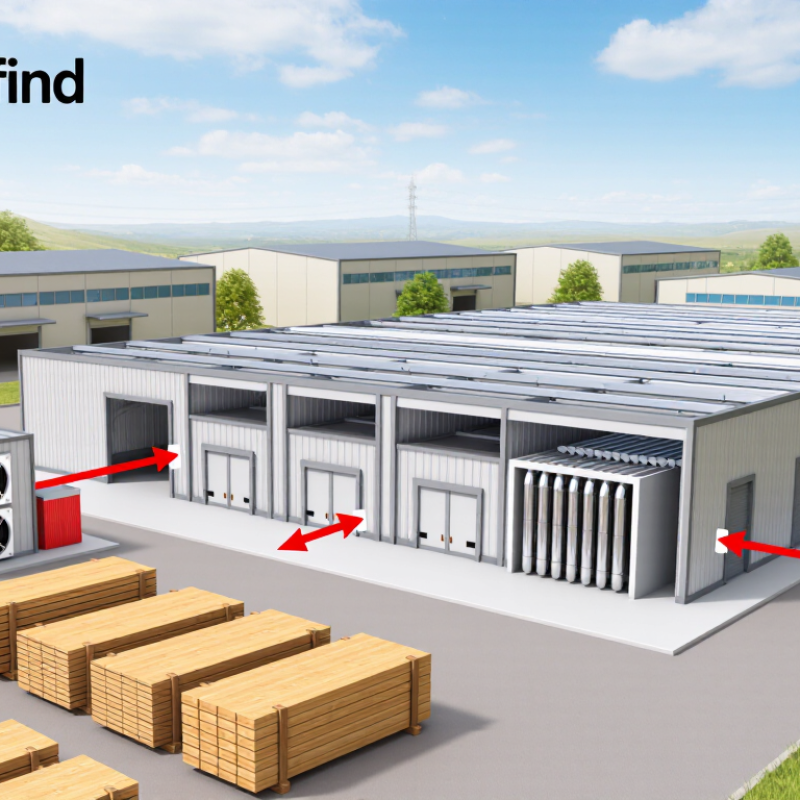
Table of Contents [Hide]
Understanding Wood Drying Equipment and Its Role in Timber Processing
Wood drying equipment removes excess moisture from freshly sawn timber under controlled conditions. In a kiln, fans move warm air between stacked boards, while vents and sensors help regulate temperature and humidity. Operators monitor moisture readings, because the outside of a board can dry faster than its core. That difference matters. If drying moves too quickly, timber may develop checks, warping, or internal stress.
A suitable drying schedule depends on wood species, board thickness, and the timber’s intended use. Furniture stock may need a different final moisture level from framing lumber used indoors. Careful stacking with evenly spaced stickers helps air reach each board; blocked airflow can leave damp patches. Equipment also supports repeatable processing, but it cannot correct poor loading or inaccurate measurements. In practice, schedules are not perfectly tidy: operators may need to adjust them when readings drift or conditions change. That takes judgment. Regular checks of fans, sensors, seals, and heating components can help maintain consistent results and avoid needless energy use.
Brands
Proudly Trusted by Top Suppliers Worldwide







Let us know and we will automate, together to fit your industrial needs.
 +91-97254 16844
Clients
Proudly Trusted by Top Companies Worldwide


Do you need Help? Get in touch.
X
Please fill out the form below and we will get back to you as soon as possible.