o
p
t
i
m
a
r
o
b
o
t
i
c
s

Make a Call


Make a Call
Blogs
Top Epoxy Resin Transformer Suppliers for Global Buyers
Choosing an Epoxy Resin Transformer supplier requires more than comparing catalog prices. Global buyers must examine insulation quality, thermal performance, factory testing, delivery reliability, and after-sales support. A polished brochure cannot reveal every production weakness.
Dr. S. V. Kulkarni, a respected transformer engineering specialist, has stated, “Good transformer design balances electrical performance, thermal behavior, and long-term reliability.” This principle remains practical for buyers evaluating cast-resin transformers in hospitals, factories, rail systems, commercial buildings, and renewable-energy projects. The best supplier should provide clear technical drawings, verified test reports, material traceability, and realistic temperature-rise data. It should also explain how the transformer performs in dusty, humid, salty, or high-altitude environments.
This guide introduces leading Epoxy Resin Transformer suppliers for international purchasing teams. It considers manufacturing experience, certification practices, customization capability, production capacity, and service coverage. Important details matter. Ask about partial-discharge testing. Confirm winding materials. Review acoustic noise data. Check spare-part availability.
Still, supplier rankings are never perfect. Market information changes, and a large factory may not suit a small project. A lower quotation may also hide longer commissioning support or weaker documentation. Buyers should challenge assumptions, compare evidence, and request references from similar installations. The right decision combines technical judgment with careful commercial review. That process takes time. It can prevent expensive surprises later.
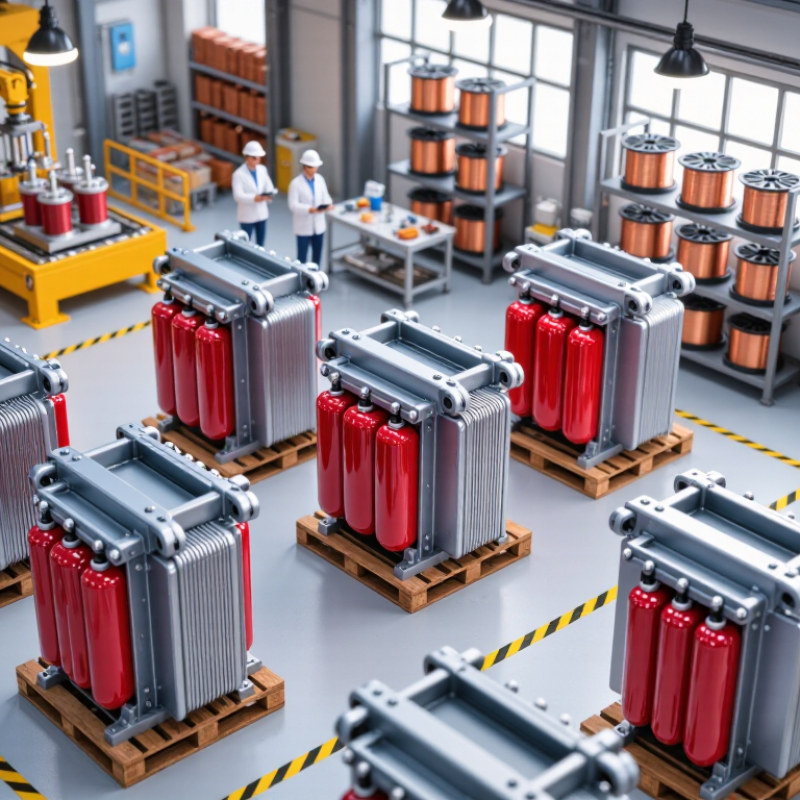
Table of Contents [Hide]
Epoxy Resin Transformers: Structure, Features, and Main Applications
Epoxy resin transformers use cast resin to seal windings inside a solid, moisture-resistant insulation system. Copper or aluminum coils sit around a magnetic core, while resin fills air gaps and limits partial discharge. This structure removes liquid insulation and reduces leakage risks in buildings, tunnels, ships, and underground substations. IEC 60076-11 provides the main framework for dry-type transformer design, testing, and thermal performance.
Their advantages are practical. Epoxy insulation tolerates dust, humidity, vibration, and sudden temperature changes. Many units reach 98% or higher efficiency under rated conditions, although loading strongly affects real results. Noise remains lower than traditional oil-filled equipment in many installations.
Yet resin is not maintenance-free. Poor ventilation, overloaded conductors, or blocked cooling channels can shorten service life. That assumption can fail.
MarketsandMarkets reported continued growth in the dry-type transformer sector, driven by renewable generation, industrial electrification, and safer indoor substations. The International Energy Agency also forecast global electricity demand growth of about 4% in 2024, increasing pressure on distribution networks. Applications include solar farms, wind projects, data centers, hospitals, factories, rail systems, and commercial towers.
Global buyers should compare temperature-rise data, insulation class, short-circuit strength, altitude correction, fire performance, and independent test certificates. A lower purchase price may hide higher losses, complicated installation, or weak after-sales support. Specification details matter more than catalogue language.
Brands
Proudly Trusted by Top Suppliers Worldwide







Let us know and we will automate, together to fit your industrial needs.
 +91-97254 16844
Clients
Proudly Trusted by Top Companies Worldwide


Do you need Help? Get in touch.
X
Please fill out the form below and we will get back to you as soon as possible.