o
p
t
i
m
a
r
o
b
o
t
i
c
s

Make a Call


Make a Call
Blogs
Top Packaging Robots Transforming the Future of Automation in Industry?
The rise of packaging robots is reshaping the landscape of automation in industrial settings. These machines streamline production, enhancing efficiency and reducing labor costs. Packaging robots tackle repetitive tasks, allowing human workers to focus on complex duties. Companies implement these robots to stay competitive in a rapidly evolving market.
While packaging robots offer remarkable benefits, there are challenges. The initial investment can be significant, leading to hesitation from some businesses. Furthermore, not all industries embrace automation equally. Some sectors remain reliant on traditional methods. This raises questions about job displacement and potential skill gaps.
Nevertheless, the advantages of packaging robots are evident. They bring speed and precision to assembly lines. As technology advances, these robots continue to improve. Future iterations may address current shortcomings, enabling smoother integration into diverse industries. Embracing packaging robots could define success for many businesses.
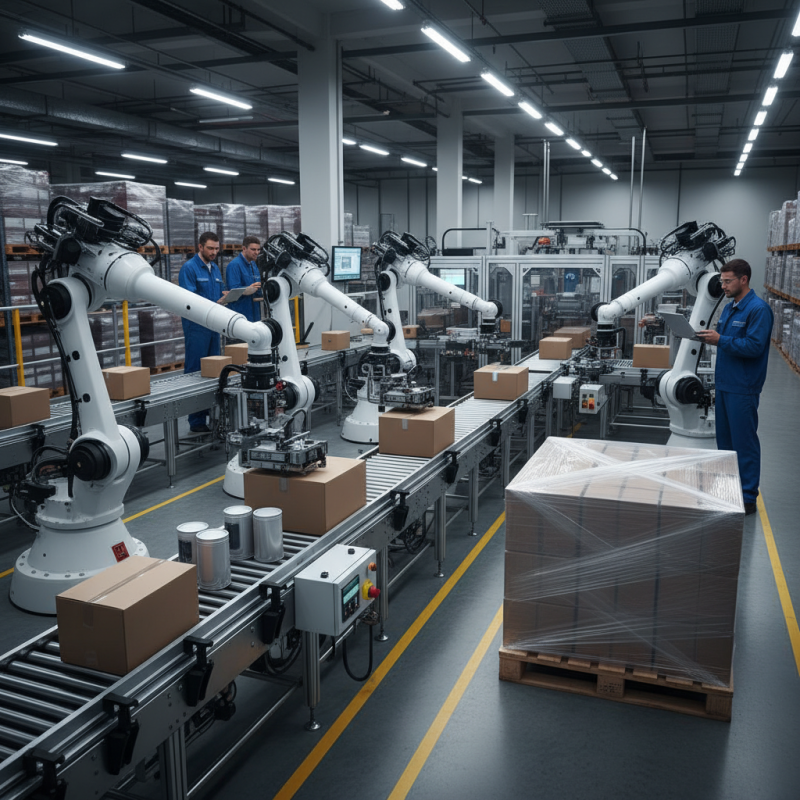
Table of Contents
[Hide]
Overview of Packaging Robots in Industrial Automation
Packaging robots are revolutionizing industrial automation. They handle
repetitive tasks with speed and precision. These machines can pack items into boxes or
arrange products on pallets. The rise in e-commerce has intensified the need for
efficient packaging solutions. Businesses are looking for ways to enhance productivity and reduce labor costs.
In warehouses, robots work alongside human employees. They take over monotonous jobs, allowing workers to focus on
more complex tasks. This shift can boost job satisfaction but may also lead to job displacement. Companies must
balance efficiency and workforce needs. Training programs
could help workers adapt to new roles in automation.
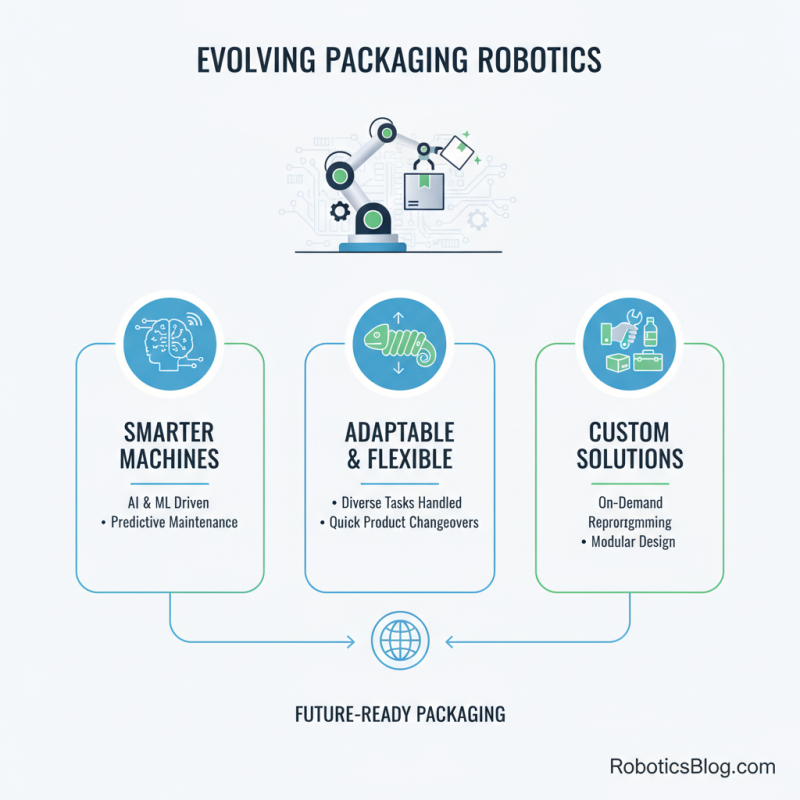
Integration of advanced technologies is crucial for packaging robots. Many now utilize AI
and machine learning. This advancement allows them to make real-time decisions.
However, not all industries are ready for this change. Some may struggle with the initial investment. Others may
worry about reliability and maintenance costs. Thoughtful planning
is essential for success in adopting these transformative technologies.
Related Posts
-

Top 10 Innovations in Serve Robotics Transforming Food Delivery Services Today
-
Best Cobot Solutions for Enhanced Efficiency in Manufacturing Processes
-
Top 7 Cobot Arm Applications for Enhanced Automation in 2023
-
Top Robotic Solutions Transforming Industries and Enhancing Efficiency
-

Exploring Innovations in Robotics Website Development for Future Technologies
-

How Pudu Robots Are Transforming the Hospitality Industry with Cutting Edge Automation Solutions
Brands
Proudly Trusted by Top Suppliers Worldwide






Let us know and we will automate, together to fit your industrial needs.
 +91-97254 16844
Clients
Proudly Trusted by Top Companies Worldwide


Do you need Help? Get in touch.
X
Please fill out the form below and we will get back to you as soon as possible.