o
p
t
i
m
a
r
o
b
o
t
i
c
s

Make a Call


Make a Call
Blogs
What Is the Water Recycling Industry?
Water Recycling Industry describes the systems, companies, and professionals that recover water for safe and useful purposes. It includes municipal wastewater treatment, industrial process-water recovery, agricultural reuse, and rainwater management. Instead of sending every used drop away, these systems remove contaminants and return water to a controlled cycle.
The work begins with collection and careful testing. Screens remove plastics and debris. Biological treatment reduces organic pollution. Membranes, filtration, ultraviolet light, or advanced oxidation may provide additional protection. Engineers then match the treated water with its intended use, such as irrigation, cooling towers, toilet flushing, or industrial production. Drinking-water applications require much stricter treatment and monitoring. Reliable programs also track salinity, pathogens, chemicals, energy use, and maintenance records.
The industry is growing because freshwater supplies face pressure from population growth, drought, and climate variability. It can reduce demand on rivers and aquifers, but it is not a perfect solution. Treatment consumes energy, creates residual waste, and requires skilled operation. Poorly designed systems can create health or environmental risks. That reality deserves honest attention. Standards, permits, laboratory testing, and transparent public reporting help build trust. However, technology alone cannot guarantee success. Local water quality, infrastructure, cost, and community acceptance all matter. A practical understanding of the Water Recycling Industry therefore requires both technical knowledge and real-world judgment. Some projects succeed with advanced equipment. Others need simpler maintenance and better training first. The strongest approach is measured, evidence-based, and open to improvement.
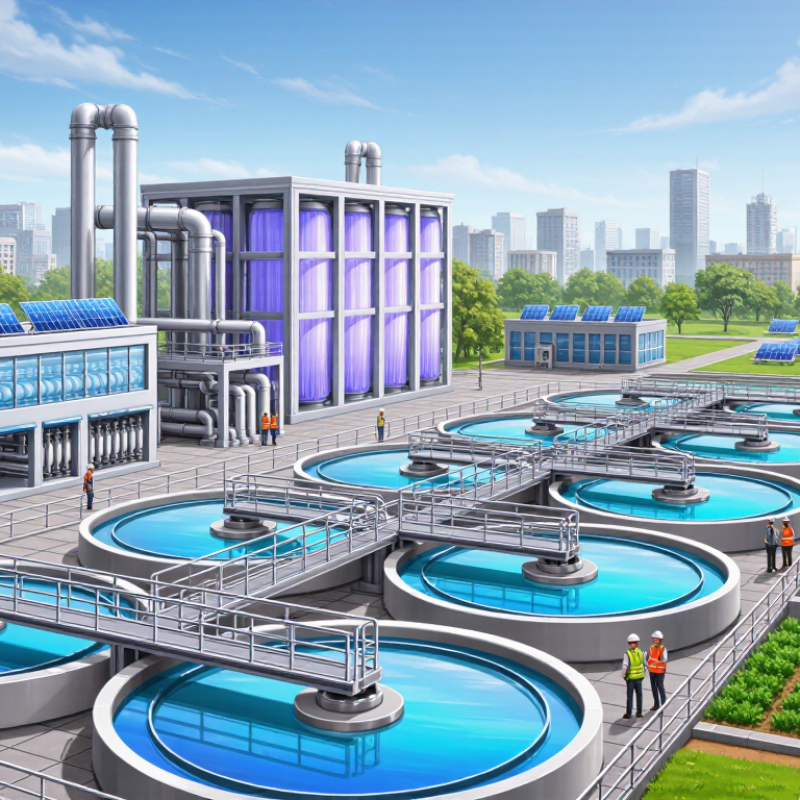
Table of Contents [Hide]
Definition and Scope of the Water Recycling Industry
The water recycling industry turns used water into a controlled resource. It includes treatment, testing, storage, distribution, and reuse. The term is not perfectly uniform. Some projects recycle water within factories. Others produce water for farms, buildings, or drinking supplies. In each case, the process reduces demand for freshwater and limits wastewater discharge.
Its scope covers municipal plants, industrial facilities, agricultural systems, and decentralized treatment units. Engineers may combine screening, biological treatment, membrane filtration, and disinfection. Operators monitor turbidity, nutrients, salts, pathogens, and chemical residues. These measurements support decisions about safe end uses. Recycled water might cool equipment, irrigate crops, flush toilets, or recharge underground supplies.
Policy and public health shape the industry as much as technology does. Permits define treatment targets, monitoring schedules, and reporting duties. Skilled operators also inspect pumps, sensors, tanks, and pipes daily. A small calibration error can affect an entire treatment line. Costs remain difficult to compare because energy, maintenance, water quality, and local infrastructure vary widely. The industry also faces public hesitation, even when testing results are strong. That concern should not be dismissed. Water recycling is practical, but no single design fits every community or facility.
Brands
Proudly Trusted by Top Suppliers Worldwide




Let us know and we will automate, together to fit your industrial needs.
 +91-97254 16844
Clients
Proudly Trusted by Top Companies Worldwide


Do you need Help? Get in touch.
X
Please fill out the form below and we will get back to you as soon as possible.