o
p
t
i
m
a
r
o
b
o
t
i
c
s

Make a Call


Make a Call
Blogs
What Are the Top Industrial Water Meters?
Choosing the best Industrial Water Meters requires more than comparing catalog prices. Industrial facilities measure cooling water, process water, wastewater, and reclaimed supplies under very different conditions. A meter that performs accurately in clean water may struggle with suspended solids, bubbles, or chemical residue. The right choice depends on flow range, pipe diameter, pressure, temperature, conductivity, and installation space.
No meter wins every site. Electromagnetic meters suit conductive liquids and have no moving parts, which can reduce mechanical wear. Ultrasonic meters support non-invasive installation and can work well where shutdowns are difficult. Turbine meters often provide dependable readings in clean, stable flows, while positive displacement meters can perform effectively at lower flow rates. Each design has limits. That detail is easy to overlook.
This guide compares leading meter types through practical engineering criteria, including measurement accuracy, calibration needs, signal stability, maintenance access, and lifecycle cost. It also considers field realities, such as a narrow pipe gallery, a vibrating pump line, or water containing fine sediment. Manufacturer specifications matter, but verified testing matters more. Look for recognized performance standards, documented calibration procedures, traceable data, and responsive technical support. These factors help operators make defensible decisions rather than selecting equipment from a short marketing list. Even experienced teams can misjudge conditions when sampling is limited. Careful site assessment remains essential.
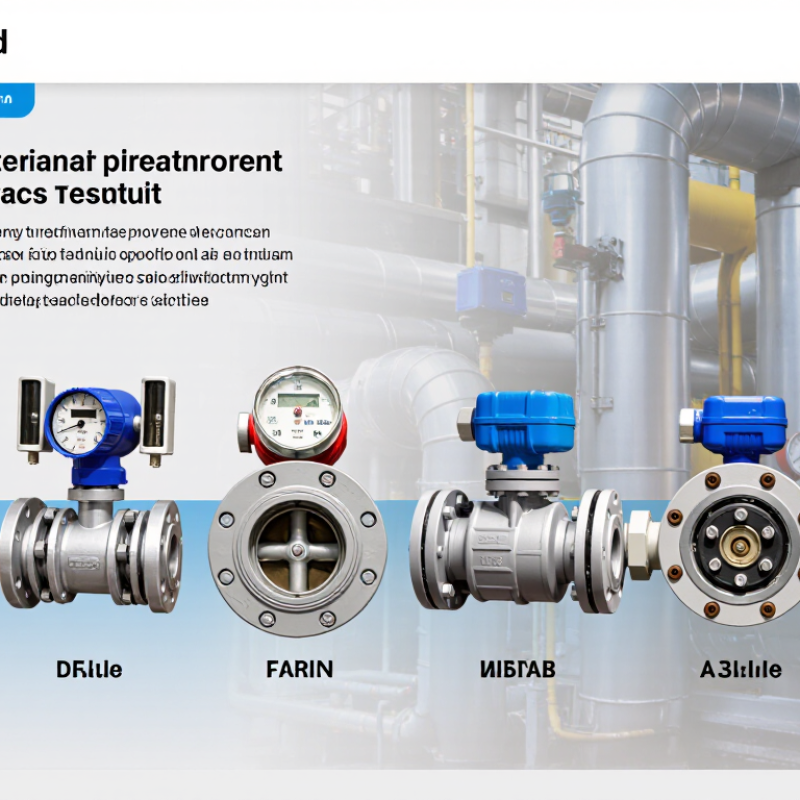
Table of Contents [Hide]
Industrial Water Meters: Definition, Purpose, and Core Functions
Industrial water meters are instruments that measure water moving through pipes, treatment systems, and production lines. They convert flow into readable data, usually in liters, cubic meters, or gallons. In industrial settings, measurement must remain stable under pressure, vibration, temperature changes, and suspended particles.
Their main purpose is control. Operators use flow data to track consumption, detect leaks, balance process water, and verify treatment performance. A sudden reading at 3:00 a.m. may reveal a valve problem or a hidden pipe break. Accurate metering also supports maintenance planning and more defensible operating records. The meter does not reduce waste by itself. People must act on its readings.
Core functions include measuring flow rate, recording total volume, and sending data to monitoring systems. Some meters provide alarms for reverse flow, empty pipes, or unusual consumption. Electromagnetic meters suit conductive liquids and have no internal moving parts. Ultrasonic meters can measure flow without cutting into the pipe. Turbine meters often perform well with cleaner water, but debris can affect their moving components. Selection depends on pipe size, water quality, pressure, temperature, and required accuracy.
Calibration matters. Even a well-installed meter can drift over time. In field work, installation errors are often underestimated, especially poor grounding, air pockets, and incorrect straight-pipe distances. No meter is perfect. A reliable system combines suitable equipment, regular verification, clear records, and trained operators who question readings that look unusually convenient.
Brands
Proudly Trusted by Top Suppliers Worldwide




Let us know and we will automate, together to fit your industrial needs.
 +91-97254 16844
Clients
Proudly Trusted by Top Companies Worldwide


Do you need Help? Get in touch.
X
Please fill out the form below and we will get back to you as soon as possible.