o
p
t
i
m
a
r
o
b
o
t
i
c
s

Make a Call


Make a Call
Blogs
What Is a Heat Gun Used For?
A Heat Gun is a handheld tool that directs a controlled stream of hot air onto a small area. It can soften old paint, shrink heat-shrink tubing, loosen adhesive, and help shape certain plastics. The results depend on temperature, airflow, distance, and steady movement—not simply on turning the tool to its highest setting.
Heat-tool specialist Alex Morgan offers a useful rule: “Let the heat do the work; keep the nozzle moving.” This is a guiding reminder, not a substitute for the manufacturer’s instructions. Hold the tool too close, or pause over one spot, and a surface can blister, discolor, or become dangerously hot. Even a short task deserves care. Nearby curtains, paper, and dust can catch heat; the nozzle and workpiece may stay hot after the tool is switched off.
This guide explains what a Heat Gun is used for, which jobs suit it, and how to approach common tasks with control. You’ll find examples around a home workshop, from softening stubborn labels to loosening paint for careful removal. A heat gun is useful, but it is not a magic fix. Some materials react unpredictably, and rushing can make a small job worse. That part is easy to forget. Check the surface, test a discreet area, and follow the tool’s safety directions before starting.
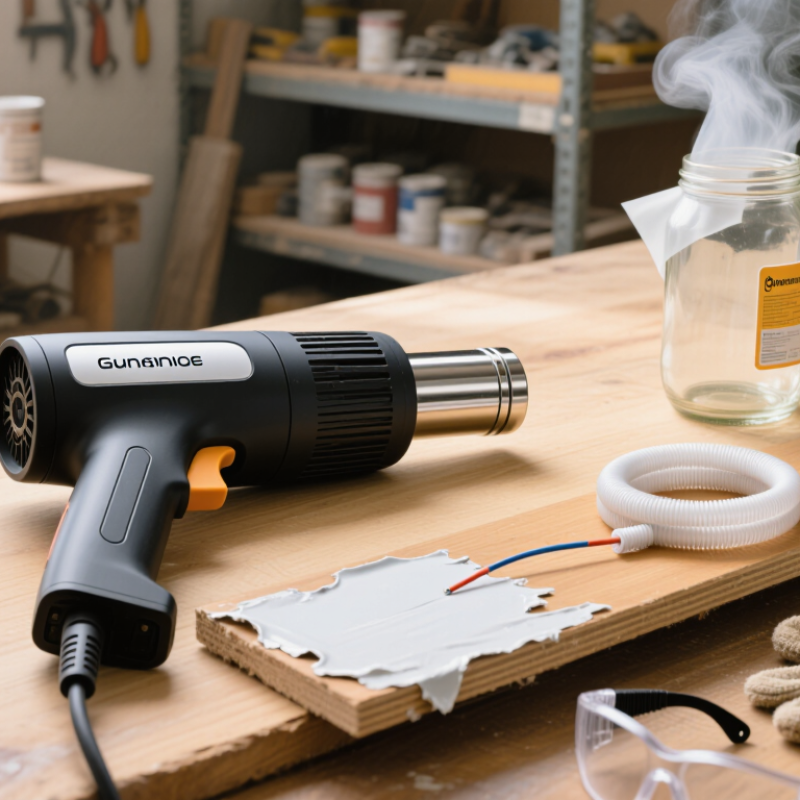
Table of Contents [Hide]
What a Heat Gun Is and How It Generates Hot Air
A heat gun is a handheld electric tool that sends a controlled stream of hot air toward a surface. Inside, an electric heating element warms the air while a small fan draws air through the tool and pushes it out of the nozzle. No flame is needed. The narrow opening concentrates the airflow, much like a small, steady gust aimed at one spot. Many models let users adjust temperature or airflow, though the controls and range vary.
The air cools as it moves away from the nozzle, so distance matters. Hold the tool closer, and a small area heats quickly; move it back, and the warmth spreads more gently. A few inches can make a real difference. Heat guns can soften paint, shrink heat-shrink tubing, or loosen some adhesives, but the material’s limits matter. Plastic may warp, and nearby surfaces can scorch before they look hot. Keep the nozzle moving and test an inconspicuous area when possible. It is easy to underestimate how quickly heat builds up. That deserves a second thought.
Brands
Proudly Trusted by Top Suppliers Worldwide






Let us know and we will automate, together to fit your industrial needs.
 +91-97254 16844
Clients
Proudly Trusted by Top Companies Worldwide


Do you need Help? Get in touch.
X
Please fill out the form below and we will get back to you as soon as possible.