o p t i m a r o b o t i c s

Blogs

What Is Car Film PPF and How Does It Work?

Car Film Ppf, or paint protection film, is a thin, transparent layer applied to a vehicle’s painted surfaces. It helps reduce damage from stone chips, road grit, insects, and light scratches. The film is usually made from flexible polyurethane with a clear protective topcoat. It is not magic. It cannot prevent every dent, deep impact, or careless wash mark.

In practical use, a trained installer cleans and prepares the paint before applying the film. Any dust or polish residue can affect adhesion and appearance. The material is then positioned over panels such as the hood, front bumper, mirrors, and door edges. A slip solution helps the installer move the film into place. Squeegees remove trapped moisture and air beneath the surface. Heat may help the film conform around curves and edges.

Some modern films can lessen the appearance of fine swirl marks through self-healing topcoats. Warm water or sunlight may help close shallow marks, depending on the product. Results vary with film quality, installation skill, climate, and maintenance habits. A poor installation can leave visible edges, bubbles, or lifting.

I have seen protection film perform well against everyday highway debris. Yet regular inspection still matters. Owners should follow the manufacturer’s washing guidance and avoid harsh tools. Car Film Ppf works best as preventative protection, not as a replacement for careful driving or professional paint repair. That distinction is easy to miss.
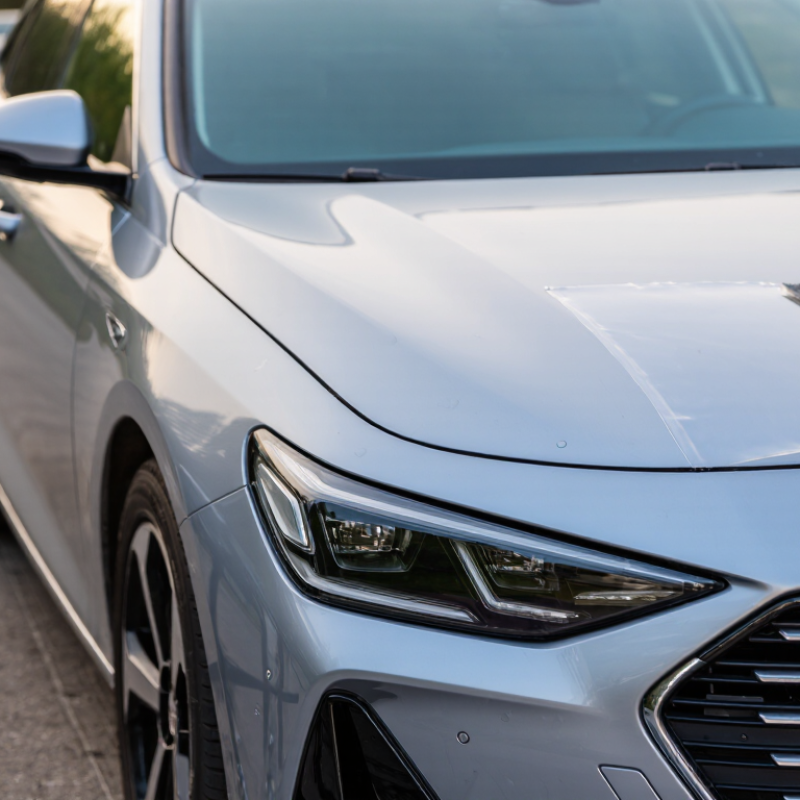
What Is Car Film PPF and How Does It Work?

What Is Car Film PPF and What Is It Made Of?

Car film paint protection film (PPF) is a clear, flexible layer fitted over painted body panels. Most modern films use thermoplastic polyurethane (TPU), chosen for its elasticity and resistance to small stone impacts. A typical film combines a clear topcoat, TPU core, and pressure-sensitive adhesive. The topcoat helps resist stains and fine scratches; the TPU absorbs and spreads impact energy. The adhesive bonds the film to paint, while a removable liner protects it before installation. It is not armor. A sharp impact can still cut through it.

Material quality depends on more than thickness. The U.S. Department of Energy’s 2022 Plastics Innovation Roadmap describes polyurethane as a polymer family whose properties vary with its chemical formulation. That matters: two films with similar thickness may differ in clarity, flexibility, and resistance to yellowing. ASTM D882 provides a standard method for measuring thin plastic sheeting’s tensile properties, but a test result alone cannot predict real-world durability. Installation, heat, sunlight, and cleaning habits also affect performance.

Tips: Ask for the film’s technical data sheet, including thickness and test methods. Inspect a sample under bright light; haze and orange-peel texture are easier to spot there. Leave edges clean and dry after washing. Small details matter.

How Does Paint Protection Film Work on a Vehicle?

Paint protection film, or PPF, is a thin, transparent urethane layer applied over painted panels. Most automotive films measure about 6–8 mils thick, according to technical specifications commonly used across the industry. The film uses a pressure-sensitive adhesive beneath a flexible topcoat. It moves slightly when struck by gravel, insects, or road grit. That movement helps spread impact energy across a wider area.

It works like a replaceable skin.

The topcoat can soften minor marks when warmed by sunlight or controlled heat. It cannot stop every stone dent, deep scratch, or collision. That limitation matters. The American Automobile Association’s road-debris research reported roughly 500,000 related crashes and 39,000 injuries over a four-year period. PPF helps with the smaller, repeated impacts that create chips and dull patches.

During installation, the vehicle must be thoroughly washed, chemically decontaminated, and inspected under strong lighting. Dust trapped beneath the adhesive remains visible. In practice, edges and curved sections demand the most skill. Poor tension can create lifting, wrinkles, or exposed paint. A 2024 automotive protective-film market analysis by Grand View Research identified growing demand for surface protection, but market growth does not guarantee installation quality. Film maintenance also requires restraint. Harsh abrasives may damage the topcoat, while neglected edges can collect dirt. PPF is useful, not magical.

What Is Car Film PPF and How Does It Work?

Topic What It Is or Does Practical Details
Definition Paint Protection Film (PPF) is a transparent protective film applied over a vehicle’s painted surfaces. It is commonly made from flexible thermoplastic polyurethane (TPU), though film construction varies by product.
Typical construction Many films combine a clear top layer, a TPU film layer, and a pressure-sensitive adhesive layer. The top layer helps resist surface wear and staining; the film absorbs and disperses some impacts; the adhesive holds it to the paint.
Typical thickness Automotive PPF is often approximately 6–10 mil thick, or about 152–254 microns. Exact thickness depends on the film and how it is measured. A thicker film is not automatically better for every application.
How it protects The film forms a sacrificial barrier between the paint and everyday hazards. It can help reduce damage from light scratches, road debris, and insect residue, but it cannot prevent every chip, dent, or impact.
Self-healing behavior Some films can lessen the appearance of minor marks in the top coat when warmed. Heat from sunlight or warm water may help, depending on the film. Deep cuts or damage through the film generally will not self-heal.
Installation method An installer cleans the surface, positions the film with an application solution, then squeegees out liquid and air. Film may be cut to shape or trimmed on the vehicle. Careful preparation and installation help limit bubbles, lifting, and visible edges.
Common coverage areas Coverage can range from selected high-impact panels to most or all painted exterior panels. Front bumpers, hood edges, fenders, mirrors, and rocker panels are common choices because they are exposed to road debris.
Appearance and maintenance Clear PPF is designed to let the vehicle’s paint color show through; gloss and matte finishes may be available. Wash the vehicle with suitable products and avoid aggressive scraping or harsh chemicals. Follow the installer’s care instructions.
Limitations PPF protects the covered surface, not uncovered areas, and it does not repair existing paint damage. Film can stain, scratch, lift, or wear over time. Results and service life vary with film, installation, climate, use, and maintenance.

Note: Film specifications, performance, and care requirements vary. Check the product documentation and installer guidance for a specific vehicle and film.

Which Areas of a Car Can PPF Protect?

Paint protection film (PPF) is a clear, flexible polyurethane layer designed to absorb light abrasion and reduce paint damage. It works best where road grit, insects, and careless parking repeatedly strike. Grand View Research valued the global automotive films market at approximately US$7.5 billion in 2023, showing strong demand for surface protection. The Federal Highway Administration also recorded about 3.26 trillion vehicle miles in the United States during 2023. More driving means more exposure.

The highest-priority area is usually the front bumper. It meets stones first. A partial front package may also cover the hood’s leading section, front fenders, mirror caps, and headlights. These surfaces face direct airflow and debris. For highway vehicles, full hood coverage offers more consistent protection than a narrow strip. The A-pillars deserve attention too, especially on dusty routes. Door edges, rocker panels, trunk loading lips, and recessed handles are smaller but practical targets. They often suffer from shoes, rings, luggage, and repeated hand contact.

Coverage should match real driving, not a sales checklist. PPF can reduce scratches and chips, but it will not stop dents or serious collision damage. It may also perform poorly on heavily textured plastic, rubber trim, or dirty paint. Installation quality matters greatly; trapped dust, stretched edges, or poor surface preparation can shorten service life. Typical films measure roughly 150–200 microns, but thickness alone proves little. Independent test results, warranty terms, and installer training deserve equal attention. I have seen beautifully covered cars with neglected door edges. That mistake is easy to repeat.

What Are the Main Benefits and Limitations of Car Film PPF?

Car film PPF is a clear, flexible urethane layer applied over painted panels. It helps absorb small impacts from gravel, road debris, and fingernails around door handles. After a dusty commute, the film may show marks while the paint beneath stays untouched. Some modern films can soften minor surface scratches with warmth, but deep cuts still need repair. PPF is protection, not armor.

The trade-offs matter. Installation quality affects edge appearance, trapped dust, and long-term adhesion; curved bumpers are especially demanding. The film can yellow, stain, or peel over time, and replacement costs more than routine waxing. S&P Global Mobility reported that the average age of U.S. light vehicles reached 12.6 years in 2024. That helps explain why some owners value preserving paint, but it does not prove PPF pays for itself. Check the film’s care instructions and inspect seams after washing. It can feel reassuring. Yet coverage choices, climate, and driving conditions change the value considerably.

What Is Car Film PPF and How Does It Work?

Paint Protection Film (PPF) is a transparent thermoplastic polyurethane film applied to painted vehicle surfaces. Its elastic structure helps absorb minor impacts and resist light scratches, while the clear finish preserves the vehicle’s original appearance.

The chart shows representative thicknesses for the main layers found in a typical PPF construction. A thicker film can improve resistance to chips and abrasion, but it may also cost more, require professional installation, and remain vulnerable to severe impacts, deep scratches, poor maintenance, and aging at exposed edges.

Thickness values are typical industry ranges represented by approximate midpoints; actual construction varies by product and installation method.

How Is PPF Installed, Maintained, and Removed?

Car paint protection film, or PPF, is a transparent urethane layer that shields painted surfaces from stone chips, road grit, insects, and light scratches. Its clear top layer can reduce visible marks, but it is not indestructible. Good results depend heavily on installation quality.

Installation begins with thorough washing, decontamination, and paint inspection. Dust or trapped wax can create bubbles beneath the film. A trained installer measures each panel, applies a suitable slip solution, and uses a soft squeegee to guide out water and air. Edges should be wrapped where practical, without stretching the material excessively. The film then needs time to bond in a clean, controlled space. Small imperfections can still appear. They deserve honest inspection rather than quick dismissal.

Maintenance is simple but careful. Wash the vehicle with pH-neutral soap, clean water, and a soft microfiber mitt. Remove bird residue, tree sap, and road salt promptly. Avoid abrasive compounds, harsh solvents, and stiff brushes, which may dull the surface or lift an edge. Inspect seams after washing, especially around mirrors, door handles, and wheel arches. If an edge begins to separate, professional repair is safer than pressing dirt underneath it.

Removal should also be handled by an experienced technician. Gentle, even heat softens the adhesive, while slow peeling limits stress on the paint. Pulling sharply or removing film from cold panels can leave adhesive or damage weak paint. A professional should check the paint condition before removal, because existing repairs may react differently.

Brands

Proudly Trusted by Top Suppliers Worldwide

Let us know and we will automate, together to fit your industrial needs.

Clients

Proudly Trusted by Top Companies Worldwide

Do you need Help? Get in touch.

X

Please fill out the form below and we will get back to you as soon as possible.

    Subscribe our newsletter & get updates