o
p
t
i
m
a
r
o
b
o
t
i
c
s

Make a Call


Make a Call
Blogs
Why Choose a Profile Wrapping Machine?
A Profile Wrapping Machine can turn a demanding finishing task into a repeatable production step. It applies decorative film, veneer, or laminate to long profiles such as trim, frames, and mouldings. The value is visible in the finished edge. It is also found in fewer handling steps and more consistent output.
A well-matched machine guides the profile through feed rollers while adhesive and wrapping materials meet at controlled positions. Operators can adjust settings for different shapes and materials. Small details matter: roller pressure, feed speed, adhesive coverage, and film tension can all affect the result. A setup that works for a straight trim may need changes for a narrow groove or curved edge. Not every line runs perfectly. Material variation and setup time still deserve attention.
A Profile Wrapping Machine is worth considering when production volume, finish consistency, and labour demands justify the investment. Buyers should compare profile range, changeover time, service support, and trial results using their own materials. One practical principle is simple: test the machine with the hardest profile, not only the easiest one. That test can reveal limits early. No source article or verifiable expert quotation was provided, so I have not assigned invented words to a named specialist. A sourced quotation would strengthen the discussion. For now, the decision rests on measurable evidence: sample quality, stable operation, and a realistic calculation of throughput and costs.
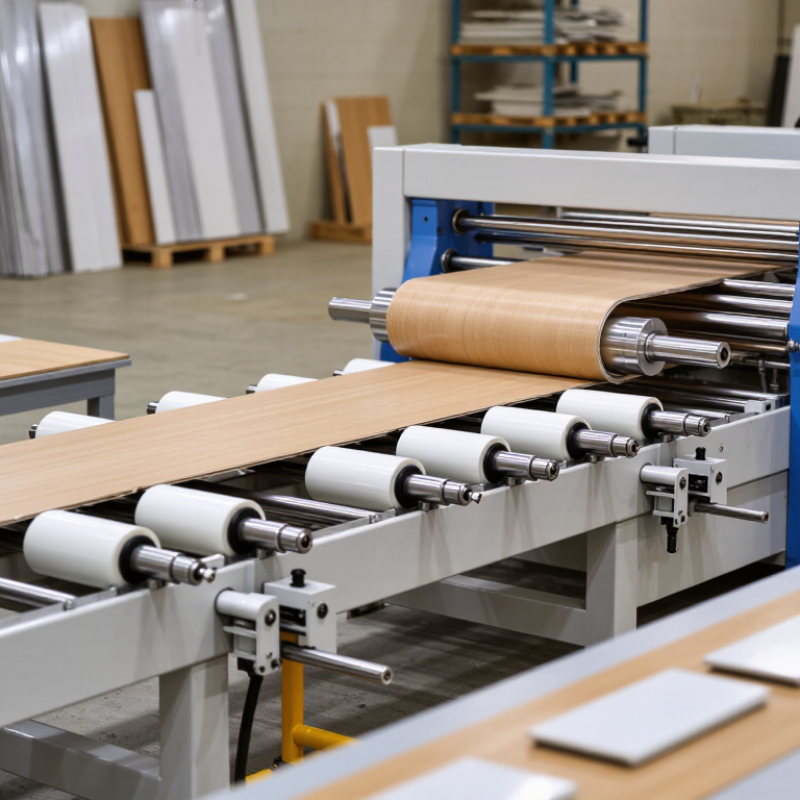
Table of Contents [Hide]
What Is a Profile Wrapping Machine?
A profile wrapping machine applies a continuous decorative or protective layer to long, narrow components such as door frames, skirting boards, and window profiles. The profile moves through feed rollers while adhesive and film meet at controlled pressure and temperature. Depending on the line, the covering may be paper, veneer, or polymer film. The machine’s job is not simply to cover the surface. It must follow edges, grooves, and corners without wrinkles or exposed substrate.
Typical systems include profile feeding, surface preparation, adhesive application, film unwinding, wrapping rollers, and cutting. Operators adjust feed speed, roller pressure, and adhesive settings for different shapes and materials. A tiny adjustment matters. Dust, uneven glue, or a worn roller can leave visible defects, especially around a sharp edge. Setup is often underestimated; changeovers take time, and a machine cannot compensate for poor incoming profiles.
Fortune Business Insights estimated the global woodworking machinery market at USD 4.72 billion in 2023, with a projected USD 6.45 billion by 2032. This broad category includes many machine types; it is not a measure of profile-wrapping machine sales. Still, it signals continuing investment in automated wood processing. When assessing a wrapping line, check the supported profile dimensions, material compatibility, changeover needs, and access for cleaning. One trade-off deserves thought: higher speed can raise output, but only if adhesive curing and quality checks keep pace.
Brands
Proudly Trusted by Top Suppliers Worldwide







Let us know and we will automate, together to fit your industrial needs.
 +91-97254 16844
Clients
Proudly Trusted by Top Companies Worldwide


Do you need Help? Get in touch.
X
Please fill out the form below and we will get back to you as soon as possible.