o
p
t
i
m
a
r
o
b
o
t
i
c
s

Make a Call


Make a Call
Blogs
Why Choose Welded Metal for Global Sourcing?
When procurement teams source components across borders, material choice affects cost, durability, and delivery confidence. Welded Metal offers a practical solution for frames, brackets, enclosures, platforms, and industrial assemblies. Its strength comes from joining prepared sections into a stable structure. This approach can reduce part counts and simplify installation at the customer’s site. It also supports flexible designs when product volumes or dimensions change.
Reliable sourcing depends on more than a competitive quotation. Experienced buyers review steel or aluminum grades, weld sizes, joint locations, surface treatments, and dimensional tolerances. They ask suppliers for welding procedure records, inspection reports, material certificates, and clear sample approvals. A qualified factory should explain how it controls distortion, porosity, spatter, and corrosion protection. Details matter. On-site audits, video inspections, and independent testing can strengthen confidence before full production begins. Packaging also deserves attention, especially when welded frames travel by sea and face moisture, vibration, and repeated handling.
Welded Metal is not automatically the best choice for every application. Complex joints may require extra fixtures, skilled labor, or secondary machining. Poor drawings can create expensive misunderstandings across languages and time zones. That risk is real. Even strong suppliers can miss a tolerance when feedback arrives late. A thoughtful global sourcing strategy therefore balances price with engineering support, traceability, lead time, and after-sales responsibility. The result is not simply a lower purchase cost. It is a component that arrives ready to perform, with fewer surprises between the factory floor and the final installation.
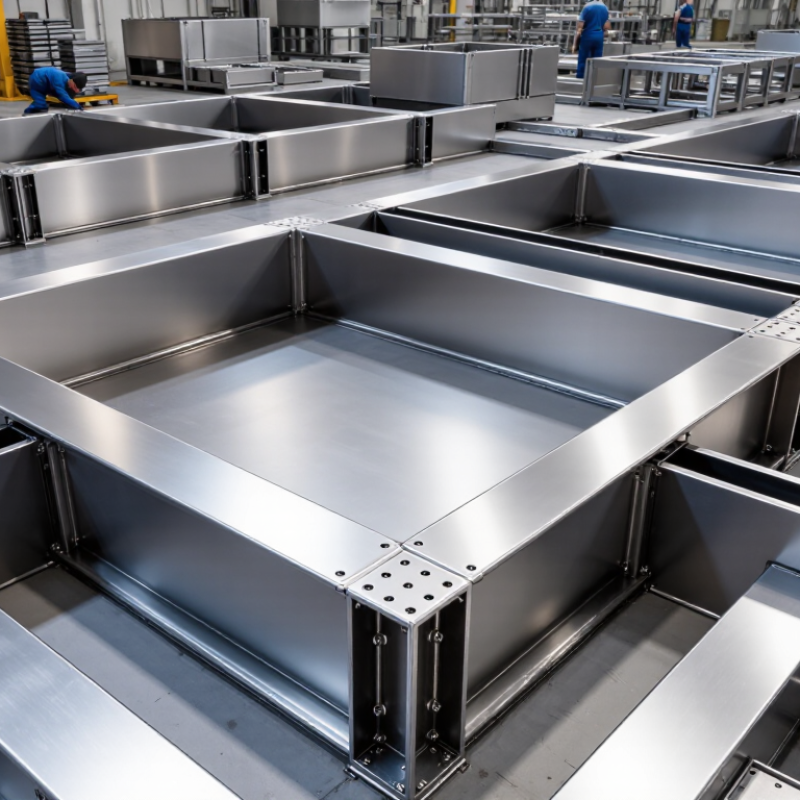
Table of Contents [Hide]
What Is Welded Metal and How Is It Used?
Welded metal is made by joining separate metal pieces with heat, pressure, or both. The process can use electric arcs, resistance, laser energy, or controlled gas flames. The joint may also need filler metal to close gaps and improve strength.
Manufacturers use welded metal for frames, brackets, tanks, pipes, platforms, and machine housings. A steel frame, for example, may combine cut tubes with small reinforced plates. Aluminum welds can reduce weight in transport equipment. Stainless steel helps resist corrosion in clean production areas. The correct method depends on metal type, thickness, joint design, and expected load.
Global sourcing requires more than comparing unit prices. Buyers should review welding procedures, operator qualifications, material certificates, and inspection records. Visual checks can find cracks, uneven beads, burn-through, or poor alignment. Some suppliers also use ultrasonic, radiographic, or magnetic testing when risk levels justify it. Requirements should be written clearly, including tolerances, surface treatment, packaging, and traceability.
A polished weld is not automatically a strong weld. That assumption causes expensive rework. In practical inspections, hidden porosity or distortion can matter more than appearance. Drawings may also overlook transport vibration or assembly access. Sample testing, production-stage communication, and independent checks make sourcing decisions more reliable. Mistakes still happen, especially when specifications cross languages or measurement systems. Clear photographs and shared inspection points can reduce that gap.
Brands
Proudly Trusted by Top Suppliers Worldwide







Let us know and we will automate, together to fit your industrial needs.
 +91-97254 16844
Clients
Proudly Trusted by Top Companies Worldwide


Do you need Help? Get in touch.
X
Please fill out the form below and we will get back to you as soon as possible.